Rate-Cut Hopes, Geopolitical Tensions, and Crypto’s New Heights.

Global Macroeconomic Landscape & Market Sentiment
Fed Symposium Sparks Rally
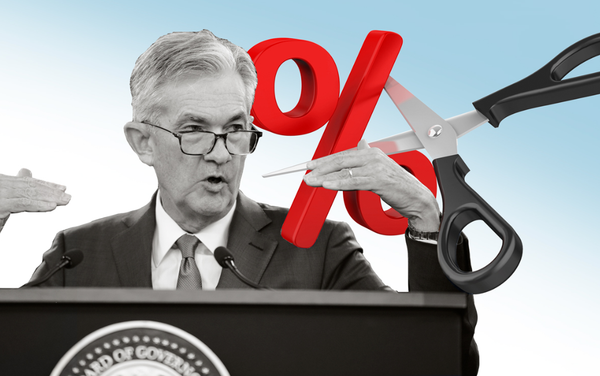
In one of the most closely watched monetary policy events of the year, the Federal Reserve’s annual Jackson Hole Economic Symposium took center stage this week, drawing intense scrutiny from economists, investors, and policymakers around the globe. Fed Chair Jerome Powell's keynote remarks, delivered on Friday, were interpreted by markets as a clear pivot in tone from recent months. While Powell reiterated the Fed's commitment to its dual mandate—maintaining price stability and supporting maximum employment—his emphasis on a "softening" labor market and "stubborn inflation trends that have shown signs of plateauing" sparked immediate market optimism.
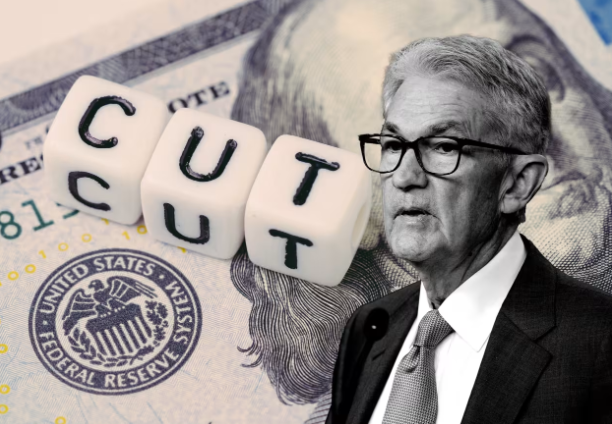
In practical terms, Powell suggested that the central bank may be poised to reduce interest rates as soon as September, depending on upcoming data. “The full effects of monetary tightening have yet to ripple through the economy,” Powell noted, signaling a more cautious and data-dependent approach moving forward. Markets responded enthusiastically: Treasury yields fell sharply, equities jumped, and the U.S. dollar weakened across most major currency pairs.
Historic Market Moves
The immediate market reaction was nothing short of historic. On Thursday, August 22, the Dow Jones Industrial Average skyrocketed by 846 points—a 1.9% gain—marking a new record high and closing above 39,000 for the first time in history. The S&P 500 followed suit with a 1.5% climb, while the tech-heavy Nasdaq added 1.9%. Not to be outdone, the small-cap-focused Russell 2000 outpaced all major indices with a 3.9% surge.
This broad-based rally extended across sectors, with cyclical stocks, financials, and industrials leading gains. Market breadth was notably strong, and volatility dropped, with the CBOE Volatility Index (VIX) falling below 13 for the first time since May.
The move marked a sharp reversal from the cautious tone that had dominated earlier in the week when investors hesitated in anticipation of Powell’s speech. While markets had largely priced in the probability of a September rate cut, the clarity of Powell’s tone accelerated the risk-on rally.
Rate-Cut Optimism Grows
The Federal Reserve has kept rates steady since late 2024, maintaining the federal funds rate at a range of 5.25%–5.50%. But market sentiment has shifted sharply in recent weeks. Following Powell’s comments, Fed funds futures began to fully price in an 83–85% probability of a 25-basis-point cut in the September FOMC meeting. Analysts at Raymond James and Barclays even raised the possibility of a second cut before year-end, contingent on upcoming inflation and employment data.
Driving this optimism are signs that inflationary pressures may be easing—though not fast enough to satisfy more dovish observers. Core CPI and PCE measures have moderated, but sticky components like services inflation and housing costs remain persistent. Simultaneously, job growth has decelerated, wage gains have moderated, and consumer spending has shown early signs of fatigue.
Critics argue that the Fed may be underestimating longer-term inflation risks, and some see the current rally as a potential "bull trap"—a short-lived bounce driven more by liquidity conditions and sentiment than by improving fundamentals. Several strategists warn of a possible correction in Q4 if economic data disappoints or if geopolitical risks escalate.
Geopolitical Pressure Mounts
Beyond monetary policy, political tensions reemerged in headlines this week as former President Donald Trump—currently campaigning for a 2026 political comeback—publicly called for the dismissal of Fed Governor Lisa Cook. The move drew immediate backlash from economists and former Fed officials, many of whom warned that any attempts to politicize central banking would damage market confidence and institutional credibility.
The call sparked debate over the independence of the Fed at a time when the central bank’s role remains crucial in navigating a potentially soft-landing scenario. While the White House issued a statement affirming its respect for the Fed’s autonomy, the incident added an undercurrent of unease to an already delicate market backdrop.
Global Caution Ahead of Key Events
Across global markets, caution prevailed ahead of the Fed symposium. Freight volumes—a leading indicator of economic activity—continued to slide, oil prices oscillated amid mixed inventory data, and equity markets across Asia presented a split picture.
Japan’s Nikkei 225 experienced a moderate pullback, weighed down by tech losses and a stronger yen. In contrast, the Australian ASX 200 surged to record highs, supported by strong earnings from mining and financial sectors. In China, investor sentiment remained subdued amid ongoing real estate turmoil and sluggish economic data, despite some fresh stimulus hints from the People’s Bank of China.
European markets were buoyed by expectations that the European Central Bank might follow the Fed’s dovish tilt, though inflation in the eurozone remains uncomfortably high. The UK’s FTSE 100 and Germany’s DAX saw modest gains, with investor attention turning toward upcoming PMI data and central bank guidance.
Equity Markets: Stocks in Focus
Monday Calm: Markets in Holding Pattern Ahead of Powell
The week opened on a muted note for U.S. equities, with investors largely in wait-and-see mode ahead of the Federal Reserve’s Jackson Hole symposium. On Monday, August 18, the S&P 500 closed virtually unchanged, slipping just 0.65 points to remain just below its recent highs. The Dow Jones Industrial Average lost 34 points, while the Nasdaq eked out a small gain of 0.1%. The Russell 2000—often considered a barometer of domestic economic sentiment—outperformed modestly, rising 0.3%.
This cautious start reflected several overlapping uncertainties: Powell’s forthcoming speech, the release of key retail earnings, and an uptick in geopolitical noise that contributed to a risk-off tone early in the week. Sector performance was mixed. Defensive sectors such as healthcare and utilities outperformed, while cyclical sectors including financials and industrials treaded water. Technology shares also showed signs of hesitation, particularly among mega-cap names that had led the 2025 rally.
Analysts described the price action as consolidation within a broader uptrend. Despite intraday volatility, trading volumes were subdued—a classic signal of investor indecision before a major macro event.
Retail Earnings in Spotlight: Consumer Pulse on Display
This week also brought the quarterly earnings results of several retail titans, including Walmart, Lowe’s, and Target—offering a timely read on the health of the American consumer. These companies, each with different exposure to goods, services, and discretionary trends, served as critical indicators of spending resilience amid inflation headwinds and cooling wage growth.
- Walmart reported stronger-than-expected same-store sales and raised its full-year guidance, citing robust grocery demand and a growing base of middle-income shoppers seeking value. However, executives flagged concerns about shrinkage and supply chain pressure.
- Target’s earnings were more mixed. While revenue beat expectations, net income fell short due to markdowns and increased promotional activity. Management remained cautious in their outlook, warning of uneven demand in discretionary categories.
- Lowe’s, more exposed to home improvement and housing cycles, surprised to the upside on margins but saw a year-over-year sales decline, reflecting softening renovation demand.
Overall, the retail sector painted a picture of cautious optimism. Consumers are still spending, but selectively—and with more price sensitivity than in 2022–2023. Labor costs, input inflation, and shifting consumption trends remain key variables heading into the holiday season.
Powell’s Remarks Trigger Market Surge: A Reflation Rotation
The market’s turning point arrived on Thursday, August 22, immediately following Jerome Powell’s dovish Jackson Hole remarks. Investors interpreted the speech as confirmation that the Fed is moving toward a rate-cutting posture, potentially as early as September. This triggered a dramatic rotation across equities, lifting nearly all major indices to multi-month or record highs.
- The Dow Jones surged by 846 points (+1.9%), led by industrials, financials, and energy.
- The S&P 500 climbed 1.5%, with gains across all 11 sectors.
- The Nasdaq added 1.9%, bolstered by renewed enthusiasm for tech and AI stocks.
- The Russell 2000 outshone its larger-cap peers with a 3.9% surge, signaling improved risk appetite.
Volatility collapsed, with the VIX dropping below 13. Treasury yields fell sharply, and trading volumes spiked as institutional investors rushed to rebalance positions.
One of the most notable dynamics was the resurgence of regional banks—a segment that had been under pressure since the March 2024 banking crisis. Names like Fifth Third Bancorp, Citizens Financial, and Regions Financial posted double-digit intraday gains as the yield curve steepened and recession fears eased.
Energy stocks also gained ground as oil prices climbed past $87 per barrel, driven by inventory drawdowns and renewed global demand optimism.
Tech’s Temporary Pullback: Eyes Turn to Nvidia
Despite the broader rally, the tech sector experienced some midweek turbulence—particularly on Tuesday, August 20, when leading mega-cap names like Apple, Amazon, and Meta experienced modest declines. The pullback was largely attributed to position squaring ahead of Nvidia’s highly anticipated earnings report.
Investor sensitivity to Nvidia's results was unusually heightened, given the company’s role as the de facto barometer for AI investment. Nvidia’s stock has been a cornerstone of the 2025 equity bull run, with its valuation more than doubling year-to-date amid skyrocketing demand for its AI chips and data center products.
Expectations for the Q2 report were sky-high. Wall Street analysts forecasted revenue exceeding $29 billion, driven by generative AI demand across cloud and enterprise clients. However, caution persisted regarding export restrictions, supply chain issues in Taiwan, and potential margin compression.
The broader tech sector mirrored Nvidia’s volatility. Semiconductors traded sideways, and software-as-a-service (SaaS) names saw profit-taking. However, overall positioning remained bullish, particularly in AI infrastructure and cloud names.
Anticipation Builds: Nvidia Earnings and the Inflation Watch
As the week closed, investor attention remained fixated on two near-term catalysts: Nvidia’s earnings release and the upcoming Personal Consumption Expenditures (PCE) inflation report, due next week. Together, these events are expected to shape not just sector-specific performance but also the Fed’s policy trajectory.
If Nvidia delivers a blowout quarter and PCE shows further disinflation, markets could build on the Powell-fueled rally. However, any disappointment—especially from Nvidia—could prompt a reversal, particularly given the stretched valuations in high-growth tech.
Forex: Currency Currents
Dollar Drops: Powell Sparks a Sell-Off
The foreign exchange (Forex) market responded swiftly to Fed Chair Jerome Powell’s dovish tone at Jackson Hole, with the U.S. dollar facing broad-based weakness across major and emerging market currencies. The U.S. Dollar Index (DXY), which measures the greenback against a basket of six major peers, fell from 104.3 to just under 102.7 during the week—its steepest weekly decline since early May.
Currency traders re-priced expectations for future interest rate moves following Powell’s remarks, with the dollar coming under pressure as the Fed appeared closer to pivoting toward monetary easing. Treasury yields followed suit, declining across the curve, further reducing the appeal of dollar-denominated assets.
In the FX options market, implied volatility on dollar pairs fell, while positioning skewed heavily in favor of further downside risk for the greenback. Dollar weakness was particularly pronounced against commodity-linked currencies and high-beta pairs, reflecting growing global risk appetite and a shift into cyclical trades.
Major Pairs: Euro, Yen, Pound React to Fed Signals
- EUR/USD surged to a two-month high, briefly touching 1.1040 as investors increased exposure to euro-denominated assets amid falling U.S. yields. While the European Central Bank (ECB) has also adopted a cautious tone recently, the Fed’s pivot was more abrupt, favoring euro strength. Eurozone PMI data, though mixed, did little to dent sentiment.
- USD/JPY experienced heightened volatility, plunging from 149.10 to 145.70 as Japanese government bond yields climbed slightly and investors priced out additional dollar strength. The Bank of Japan (BOJ) remains committed to ultra-loose policy, but hawkish speculation continues to bubble as inflation in Japan edges above the 2% target.
- GBP/USD extended its rebound, rallying to 1.2880 by Friday. While UK inflation remains stickier than in the U.S., the Bank of England is also nearing the end of its tightening cycle. The pound benefited more from dollar softness than from any domestic economic tailwind.
- USD/CHF, traditionally a haven pair, declined as investors rotated out of the dollar into Swiss francs and euros. Risk-on sentiment reduced demand for safety, while Swiss inflation data remained benign.
Overall, the G10 currency basket gained broadly against the dollar, with particular strength seen in currencies associated with economies sensitive to global trade flows.
Commodity Currencies Rebound: AUD, CAD, and NZD Lead
A renewed bid for risk and commodities gave the Australian dollar (AUD), Canadian dollar (CAD), and New Zealand dollar (NZD) a sharp lift this week.
- AUD/USD spiked above 0.6820, its highest level since April, helped by strong labor data and iron ore price gains. Australian equities also closed at record highs, reinforcing capital flows into the currency.
- CAD appreciated steadily, with USD/CAD breaking below 1.3400. Crude oil’s rally above $87 per barrel fueled demand for the loonie, as did upbeat Canadian retail sales and housing data.
- NZD/USD, historically volatile, broke above 0.6100 amid rising dairy prices and increased speculation that the Reserve Bank of New Zealand could tighten once more before the year’s end.
Commodity FX outperformance reflected both fundamental strength in underlying trade balances and technical buying from short-covering and renewed portfolio flows.
Emerging Market Currencies: Mixed Reactions, Strongest in LatAm
Emerging markets (EM) saw mixed currency performance depending on their monetary stance, exposure to the U.S. dollar, and economic data surprises.
- Mexican peso (MXN) and Brazilian real (BRL) led gains in Latin America, with both currencies advancing more than 2% against the dollar. Mexico’s central bank remains firmly on hold, and Brazil’s equity market posted double-digit gains year-to-date, attracting significant foreign inflows.
- Indian rupee (INR) held steady, supported by persistent RBI intervention to prevent excessive volatility. Rising capital inflows and a narrowing current account deficit provided additional support.
- Chinese yuan (CNY) continued to face headwinds, even as the PBOC moved to stabilize it through fixings and liquidity injections. Investors remained cautious on China’s economic trajectory despite additional policy support measures targeting the real estate sector.
- In Eastern Europe and Africa, currencies were largely range-bound, although South Africa’s rand appreciated modestly on metal price gains and improving political stability.
Overall, EMFX markets showed resilience in the face of dollar weakness, but selectivity remained key. Carry trades gained renewed popularity, with investors favoring high-yielding currencies in stable macro environments.
Cross-Market Dynamics: Risk-On Mood Benefits FX Flows
The broader macro backdrop—characterized by easing U.S. rate expectations, rising equities, and falling volatility—created a constructive environment for pro-cyclical FX positioning. This was evident in the flow of funds from defensive currencies (USD, CHF, JPY) into risk-friendly counterparts (AUD, MXN, NOK, BRL).
Risk appetite, as measured by traditional indicators like the MOVE Index (bond volatility) and EMCI (emerging market currency index), pointed to increased investor confidence. FX strategies focused on momentum reentry, with positioning shifting rapidly in favor of short dollar plays across G10 and EM alike.
Gold and silver also rallied in tandem with FX movements, offering further validation of the reflationary trend underway. Cryptocurrencies, while covered separately, also benefited from this broader narrative of easing financial conditions.
Crypto & Digital Assets: Market Momentum
Bitcoin Rebounds Amid Rate-Cut Bets
Crypto markets rallied alongside traditional risk assets this week, buoyed by Federal Reserve Chair Jerome Powell’s dovish tone at Jackson Hole. Bitcoin (BTC) led the charge, surging nearly 8% on the week to close near $114,690, marking its highest level since April and reversing much of the summer's drawdown.
Powell’s signaling of a potential rate cut as early as September provided an immediate tailwind for risk assets, and digital assets were no exception. With real yields trending downward and liquidity expectations improving, traders saw crypto as a natural beneficiary of looser financial conditions. The decline in the U.S. dollar and the sharp drop in Treasury yields triggered renewed capital rotation into decentralized assets.
From a technical standpoint, Bitcoin decisively broke through resistance around the $110,000 level, triggering a series of short liquidations and fueling momentum-driven buying. On-chain data from platforms like Glassnode showed a spike in new wallet creation and increased transaction volumes across major exchanges. Derivatives markets also lit up, with open interest in BTC futures hitting a four-month high, reflecting rising speculative activity.
Notably, the BTC funding rate turned positive across most platforms, indicating that traders were paying a premium to maintain long positions—signaling a bullish bias in near-term sentiment.
Ethereum Lags, But Momentum Builds
While Bitcoin led the charge, Ethereum (ETH) posted more modest gains, rising 4.3% on the week to trade around $6,050. ETH’s relative underperformance stemmed partly from continued uncertainty over its Layer 2 ecosystem profitability and delays in several anticipated network upgrades.
However, institutional interest in Ethereum remained strong. BlackRock, Fidelity, and other asset managers reportedly continued to increase their ETH exposure through both spot and futures markets, anticipating greater mainstream adoption and the long-term potential of Ethereum’s role in Web3 infrastructure.
DeFi total value locked (TVL) also rose modestly, climbing 2.8% to reach $121 billion, as users sought yield-generating opportunities in a low-rate environment. Leading protocols such as Lido, Aave, and Uniswap saw a pickup in activity, though usage remains below peak 2021 levels.
Altcoin Revival: Solana, Avalanche, and Chainlink Outperform
The risk-on mood sparked a broader altcoin resurgence, with several high-beta names posting double-digit percentage gains:
- Solana (SOL) jumped 12%, buoyed by institutional inflows and increased developer activity on Solana-based NFT marketplaces and DePIN projects.
- Avalanche (AVAX) rose 10.4% amid a spike in Layer 1 token speculation and improved sentiment surrounding its subnets technology.
- Chainlink (LINK) surged 15% after announcing new integrations with traditional financial platforms, expanding its oracles’ use in tokenized asset issuance.
Other notable movers included Polygon (MATIC), Arbitrum (ARB), and Sui (SUI), each benefiting from renewed investor appetite for scalable, fast-processing networks.
ETF Flows Signal Growing Institutional Interest
Institutional demand for digital assets is gradually returning, as evidenced by renewed inflows into crypto-linked ETFs. Spot Bitcoin ETFs—particularly BlackRock’s iShares Bitcoin Trust (IBIT) and Fidelity’s Wise Origin BTC Fund (FBTC)—recorded $230 million in cumulative net inflows this week, reversing a multi-week outflow trend.
ETH futures ETFs also saw a moderate pickup, though enthusiasm lagged compared to their Bitcoin counterparts. Analysts believe that further clarity from the SEC regarding spot ETH ETFs could unlock significantly more institutional capital in Q4.
Crypto index products and multi-asset digital funds also benefited, reflecting investor demand for diversified exposure amid an increasingly idiosyncratic altcoin landscape.
Regulatory Developments: Progress, but Uncertainty Lingers
The crypto regulatory backdrop showed signs of thawing in the U.S., with bipartisan support building around the revised Digital Asset Market Structure (DAMS) Act. While far from finalized, the proposal would create clearer distinctions between commodities and securities, empowering the CFTC to regulate most crypto assets not covered by traditional securities law.
SEC Chair Gary Gensler remained cautious, reiterating the need for investor protections and stronger compliance from centralized exchanges. However, enforcement actions slowed, suggesting a strategic shift toward rulemaking over litigation.
Globally, progress was more pronounced. The European Union finalized its MiCA framework, set to go into effect in early 2026, while Singapore and Hong Kong both released updated guidelines promoting institutional access under regulated conditions. These moves reinforced the narrative that the regulatory environment is gradually maturing, even if the U.S. remains a wildcard.
Stablecoins and CBDCs: Quiet Week, but Growth Continues
Stablecoins continued to consolidate their role as the crypto market’s dominant payment rail. USDT and USDC both saw modest growth in circulating supply, with on-chain settlement volumes rising 6.2% week-over-week. PayPal’s PYUSD also saw increased merchant adoption, particularly in Latin America and Southeast Asia.
Meanwhile, global interest in central bank digital currencies (CBDCs) continues to simmer. The Bank of Japan launched a second phase of its digital yen pilot, while Brazil’s Drex project expanded into cross-border testing. These developments highlight growing experimentation in state-backed digital currencies, though timelines for full-scale launches remain unclear.
Strategic Insights & Market Psychology
Late-Summer Rally or Bull Trap?
The sharp rally that followed Jerome Powell’s Jackson Hole remarks has ignited debate among strategists, fund managers, and economists: Is this a genuine market inflection point, or merely a temporary reprieve in a broader corrective phase?
On the one hand, the data-dependent dovish shift from the Fed aligns with falling inflation metrics and slowing employment growth—conditions typically conducive to rate cuts and a supportive environment for risk assets. The immediate market reaction—surging equities, falling bond yields, and weakening dollar—echoed classic reflationary playbooks. Optimists point to broad market participation, rising small-cap performance, and collapsing volatility as signs of a durable pivot.
However, a chorus of caution is emerging. Several strategists argue the rally may prove fragile unless macro data confirms the Fed’s new posture. Economic surprises have turned slightly negative in recent weeks, and inflation could still re-accelerate if oil prices continue rising or if wage growth proves stickier than expected.
Moreover, the valuation narrative is flashing yellow. The S&P 500 is now trading at a forward P/E of 20.3—well above the 10-year average—while high-growth tech stocks have seen even more multiple expansion, often without corresponding upgrades in earnings expectations. That divergence could become problematic if Q3 earnings disappoint or if the Fed delays cuts beyond September.
Adding complexity is the fact that seasonality often works against markets during late August through September. Historical data suggests that these months tend to be choppier due to lower liquidity, fund rebalancing, and an increase in geopolitical risks as political cycles reawaken post-summer.
Investor Sentiment: Greed Returns, But Unevenly
Sentiment indicators showed a clear uptick this week, with the AAII Bullish Sentiment Index rising to 47.5%—its highest level since February 2025. The Fear & Greed Index, widely followed by retail traders, shifted solidly into “Greed” territory, reflecting renewed appetite for equities, particularly among retail and ETF-driven investors.
Still, the surge in sentiment is not evenly distributed. Institutional flows are cautious, with active managers continuing to hedge exposure via options and volatility products. Hedge funds, in particular, have maintained relatively neutral net exposure, suggesting they’re not fully convinced by the rally’s sustainability.
Flows into U.S. equity mutual funds remained flat, while passive ETF inflows jumped—indicating that much of the buying is coming from automated portfolios and not active stock-picking strategies.
Meanwhile, retail participation has surged back toward early-year highs. Platforms like Robinhood and eToro reported increased engagement, particularly in high-beta sectors like AI, EVs, and biotech. Social sentiment also spiked for stocks like Nvidia, Rivian, and Palantir, reinforcing the speculative tilt of recent retail activity.
Sector Rotation: Defensive to Cyclical
Another key signal of shifting psychology is the sector rotation pattern emerging post-Powell. Defensive sectors such as utilities, healthcare, and consumer staples underperformed this week, while cyclical sectors—especially financials, industrials, and energy—outperformed dramatically.
- Financials rebounded on yield curve steepening and easing credit concerns.
- Industrials rallied on infrastructure spending optimism and improving freight activity.
- Energy gained on rising oil prices and supply tightness out of OPEC+.
This rotation suggests growing confidence in a soft landing scenario, where the economy avoids recession, inflation gradually subsides, and the Fed engineers a smooth rate normalization cycle. However, this narrative remains speculative without confirming economic data—particularly around jobless claims, ISM surveys, and wage inflation.
Geopolitical Wildcards & Market Nerves
While domestic policy dominated headlines, underlying geopolitical risks continued to simmer in the background—something seasoned investors are not ignoring.
- U.S. political pressure on the Fed intensified, with Trump’s call to remove Fed Governor Lisa Cook reigniting concerns about central bank independence. Markets have long priced the Fed as an apolitical entity, and any erosion of that perception could disrupt confidence and policy credibility.
- China’s economic fragility remains a wild card. While recent PBOC interventions have stabilized the yuan and bolstered property markets slightly, sentiment remains fragile. A major default or capital flight event could reignite global volatility.
- Russia-Ukraine tensions flared again, with new reports of troop buildups along contested borders and renewed cyberattacks on European infrastructure. These risks could spike energy prices and reignite defensive flows.
- Middle East energy politics are also in play, with Saudi Arabia signaling potential production cuts if prices drop below $85. That threshold now acts as a soft floor for crude—an important inflation variable.
In this climate, even a strong late-summer rally could be short-circuited by a geopolitical jolt. Many portfolio managers are preparing for such tail risks by maintaining cash buffers, increasing hedges, or shifting exposure toward uncorrelated assets like gold and alternative strategies.
Horizon Scan: What’s Next
As the dust settles from Jerome Powell’s Jackson Hole pivot and markets recalibrate their expectations, all eyes are turning toward the next set of catalysts that could either extend or derail the recent risk-on rally. The final stretch of August and early September presents a packed macro and earnings calendar, alongside a number of geopolitical flashpoints that could inject fresh volatility into global markets.
Nvidia Earnings: The AI Barometer
Few earnings reports this season carry the weight of Nvidia’s Q2 results, scheduled for release this coming week. As the market’s undisputed AI bellwether, Nvidia’s financials are seen not just as a snapshot of semiconductor strength, but as a proxy for broader sentiment around artificial intelligence, cloud infrastructure, and big tech investment.
Expectations are sky-high. Wall Street consensus pegs revenue near $29.1 billion, with EPS projected at $5.42. But analysts caution that investor expectations may already be priced in, leaving little margin for error. Key questions include:
- Is the AI demand surge sustainable, or is it front-loaded?
- Are supply chain constraints still a bottleneck?
- How are export restrictions impacting data center sales to Asia?
If Nvidia overdelivers, the rally in AI and semiconductor stocks could gain a second wind. If it disappoints, it could trigger a broader pullback—especially in a market already showing signs of valuation stress.
PCE Inflation Data: Fed’s Preferred Gauge
Set for release on Friday, August 30, the Personal Consumption Expenditures (PCE) Price Index is the Federal Reserve’s preferred measure of inflation. Coming just weeks before the September FOMC meeting, this data point is widely viewed as a swing factor for whether the Fed pulls the trigger on a rate cut.
- Core PCE, which strips out food and energy, is forecast to rise 0.2% month-over-month, maintaining a 3.4% year-over-year rate.
- A soft print could bolster the case for a cut in September and ignite further gains in bonds, tech stocks, and high-beta assets.
- A hot surprise could undermine the Fed’s credibility post-Jackson Hole and force markets to reconsider the timing of policy easing.
Investors will also be parsing real consumer spending and income data embedded in the report, which will provide insight into the health of the U.S. consumer and their ability to sustain economic momentum into Q4.
Fed Narrative Post–Jackson Hole: Hawkish Dissent or Unity?
While Powell struck a dovish tone in Wyoming, several regional Fed presidents are scheduled to speak over the next two weeks, and their remarks could either reinforce or complicate the market’s narrative of imminent rate cuts.
Already, some Fed officials have hinted they might dissent if the September rate cut decision isn’t well supported by inflation and labor data. Markets will be watching for comments from James Bullard (St. Louis Fed), Loretta Mester (Cleveland Fed), and Mary Daly (San Francisco Fed) for clues on internal FOMC dynamics.
The Fed’s September dot plot and Summary of Economic Projections (SEP), due at the next meeting, could show diverging views on the path of policy into 2026. The more united the Fed appears in its dovish stance, the more likely the rally holds. Division, however, could lead to volatility as traders re-price probabilities.
Geopolitical Flashpoints: Watch Ukraine, Taiwan, and the U.S. Election Cycle
Beyond economics, political and geopolitical events could be decisive over the coming weeks:
- Ukraine Summit Fallout: Tensions are flaring again after a contentious NATO debrief. Energy markets are on edge as infrastructure attacks increase, raising the risk of gas price shocks heading into winter.
- China-Taiwan Dynamics: A spike in naval activity and trade rhetoric has rekindled fears of conflict escalation. Semiconductors and Asian FX markets remain sensitive to any shift in narrative.
- U.S. Domestic Politics: Trump’s escalating rhetoric toward the Fed and increased volatility in GOP primary polling suggest monetary policy could become a political wedge issue again. Markets historically dislike uncertainty around Fed independence, and this dynamic bears watching.
Technical and Quantitative Signals: Momentum at a Crossroads
From a market structure standpoint, multiple indicators are flashing near-term overbought conditions, particularly in high-beta equities. The Relative Strength Index (RSI) on major indices like the Nasdaq and S&P 500 has pushed toward 70, often a warning sign of impending consolidation.
Trend-following models, however, remain in “buy” territory. 50-day moving averages are turning upward, and breadth indicators have improved—especially among small-caps and cyclicals. If the rally can survive upcoming catalysts without a major drawdown, quant funds and CTAs could be forced to chase performance into September, adding fuel to the upside.
U.S. Equity Index Performance
- Dow Jones Industrial Average (DJIA):
Ended the week up +3.1%, closing at an all-time high near 39,220, driven by strong gains in financials, energy, and industrials. Thursday’s 846-point rally marked the single largest daily point gain in 2025. - S&P 500:
Rose +2.6% on the week, closing above 5,050. All 11 sectors ended in positive territory, led by small caps and cyclical sectors. The index is now up over 18.2% year-to-date. - Nasdaq Composite:
Gained +2.9%, supported by strength in semiconductor and AI-related stocks despite midweek pullbacks in Apple and Amazon. Nvidia anticipation dominated sentiment, with Nasdaq futures seeing elevated volume. - Russell 2000 (Small Caps):
Outperformed all major benchmarks with a +4.3% gain. Investors interpreted Powell’s comments as a green light for re-risking into domestic cyclicals and previously underperforming growth stocks.
Sector Performance Breakdown (S&P 500)
- Top Gainers:
- Financials: +4.9%
- Industrials: +4.6%
- Energy: +4.4%
- Materials: +3.8%
- Lagging, but positive:
- Consumer Staples: +0.9%
- Utilities: +0.8%
- Health Care: +1.2%
- Tech:
Technology gained +2.3%, with chipmakers and software outperforming hardware.
Bond Market Recap
- U.S. 10-Year Treasury Yield:
Fell from 4.12% to 3.91%, its sharpest weekly drop since March. The curve steepened modestly, with the 2-year yield down 19bps to 4.34%, as traders priced in a ~90% chance of a September rate cut. - Corporate Bonds:
- Investment Grade spreads narrowed to 128bps over Treasurys.
- High Yield spreads tightened significantly, down 21bps to 374bps, reflecting improved credit sentiment.
- Municipals:
Munis caught a bid midweek, with yields on AAA-rated 10-year issues falling to 2.89% amid renewed retail demand and mutual fund inflows.
Forex (FX) Market Summary
- U.S. Dollar Index (DXY):
Declined -1.8% to close near 102.65, driven by falling rate expectations and risk-on appetite. - EUR/USD: +1.9%, ending at 1.1040
- USD/JPY: -2.3%, finishing at 145.70
- GBP/USD: +1.7%, ending at 1.2880
- USD/CAD: -1.6%, breaking below 1.3400
- AUD/USD: +2.1%, ending at 0.6825
Emerging market currencies, especially in Latin America, gained broadly, while Asian FX was more mixed due to lingering concerns over China’s growth outlook.
Crypto Market Overview
- Bitcoin (BTC):
Surged +7.8%, closing at approximately $114,690. Strong inflows into ETFs and spot buying fueled the move. - Ethereum (ETH):
Rose +4.3%, ending the week near $6,050. Investors rotated into ETH-based DeFi and L2 platforms, albeit more cautiously than BTC. - Top Performing Altcoins:
- Solana (SOL): +12.4%
- Avalanche (AVAX): +10.4%
- Chainlink (LINK): +15.1%
- Polygon (MATIC): +8.6%
Crypto market cap reclaimed the $3.2 trillion mark, up from $2.94T the prior week. Stablecoins grew modestly, and exchange volumes rose 18% week-over-week.
ETF Flows & Asset Allocation Trends
- U.S. Equity ETFs:
Total net inflows: $11.6 billion, led by SPY, QQQ, and IWM. Small-cap ETFs saw strongest demand in over 12 months. - Bond ETFs:
Inflows of $5.2 billion, with short-duration and long-dated Treasury funds both attracting interest. - Crypto ETFs:
Net inflows: $230 million, all into Bitcoin-related products. ETH products were flat but trending positive. - Sector Rotation:
Rotation favored high-beta, cyclicals, and financials. Defensive equity ETFs saw mild outflows.