Global Macro, Central Banks, and Crypto Markets


Macroeconomic forces, central bank policies, and trade agreements shaped July's foreign exchange (FX) market dynamics.
Introduction: A Turning Point for Currencies
The week of July 21–27, 2025, marked a pivotal moment for the FX market, driven by a convergence of macroeconomic, political, and central bank signals. This period signaled a shift toward policy divergence and geopolitical recalibration, without the chaos of a crisis but with significant implications for currency trends.
The U.S. dollar index (DXY) fell to a four-week low, influenced by accelerating U.S.–Asia trade agreements, speculation on European Central Bank (ECB) and Bank of Japan (BoJ) policies, and uncertainty surrounding the Federal Reserve’s direction in an election year.
The Dollar’s Decline: DXY and USD Trends
The DXY dropped approximately 1%, closing near 97.5—its lowest since mid-June. Despite earlier high inflation data, markets focused on trade developments and the upcoming Federal Open Market Committee (FOMC) meeting.
Key Drivers:
- U.S.–Japan Trade Agreement: Reduced concerns over auto tariffs, strengthening the yen.
- EU Tariff Progress: Improved EUR/USD sentiment as tariff alignment progressed.
- Stable Treasury Yields: The U.S. 10-year yield held near 4.10% despite a risk-on environment.
Market Impacts:
- EUR/USD rose to 1.176–1.178, a high not seen since early 2021.
- USD/JPY fell from 158.60 to approximately 156.90, marking the yen’s strongest weekly performance in two months.
Euro Resurgence: A Fundamental Shift
The euro’s rally was driven by easing trade tensions and a less hawkish ECB stance, suggesting flexibility in maintaining higher rates.
Eurozone Highlights:
- Flash PMIs indicated slight improvement in services (52.4) and manufacturing stabilization (48.1).
- The ECB maintained rates at 2%, with hints of limited near-term cuts amid global growth resilience.
ECB President Christine Lagarde (July 25):
“We are not declaring victory, but stability is emerging across key sectors.”
Yen Strength: Japan’s Policy Shift?
The yen recorded its best weekly gain against the dollar since May, fueled by expectations of BoJ tightening after years of ultra-loose policy.
Market Reactions:
- USD/JPY declined nearly 2 points in three days.
- Traders anticipate a BoJ rate hike in Q4 if wage pressures persist.
Shuji Tonari, Nomura FX Strategist:
“Yen strength reflects rate expectations, but U.S. trade stability gives the BoJ room to maneuver.”
GBP Struggles: Economic and Fiscal Pressures
The British pound was the weakest major currency, driven by:
- Disappointing retail sales (0.9% MoM vs. 1.3% expected).
- IMF warnings on fiscal vulnerabilities.
- Muted Bank of England (BoE) signals.
IMF Report (July 24):
“The UK’s fiscal framework struggles with simultaneous inflation and supply chain challenges.”
Impact:
- GBP/EUR hit a three-month low, and GBP/USD approached 1.27.
AUD Resilience: Risk-On Recovery
The Australian dollar rebounded to 0.6950, supported by:
- Rising equity market optimism.
- Strong commodity prices (iron ore, gold).
- Stable China PMI data (49.9).
Citi FX Desk Note (July 26):
“The AUD reflects China’s risk sentiment and global optimism—bullish into August.”
Emerging Markets: India and LATAM
Indian Rupee (INR):
- Weakened to ₹86.80/USD, pressured by $500 million in capital outflows, high oil import costs, and seasonal trade deficits.
Brazilian Real and Mexican Peso:
- Both gained modestly, aided by commodity export recovery, moderated U.S. yields, and easing political pressures in Brazil.
Central Bank Divergence
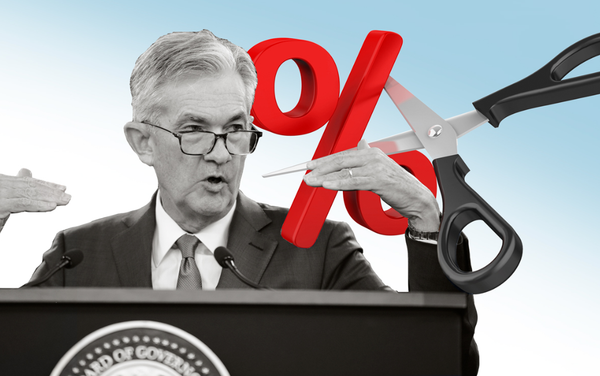
- Federal Reserve: Expected to hold rates on July 30–31, with focus on the timing of a potential Q4 cut.
- ECB: Steady at 2%, with a dovish tilt suggesting a possible 25 bps cut by November.
- BoJ: Ultra-loose policy persists, but markets expect a shift if trade and inflation stabilize.
FX Volatility Snapshot
Pair | Weekly Change | Volatility Trend | Key Drivers |
|---|---|---|---|
EUR/USD | +1.4% | Up | Trade optimism, ECB signals |
USD/JPY | -1.3% | Up | BoJ expectations |
GBP/USD | -0.6% | Down | Retail sales, IMF warnings |
AUD/USD | +0.8% | Up | Risk-on flows |
USD/INR | +0.4% | Up | Capital outflows, oil prices |
Conclusion: A Multipolar FX Landscape
The dollar’s weakening, ECB’s caution, and BoJ’s potential normalization signal a shift from U.S. dominance to a multipolar FX environment. Key questions for August include whether central banks will yield to tariff pressures, if the yen can sustain its strength, and whether crypto volatility will impact fiat markets.
Part 2: Bitcoin, Ethereum, and the Post-GENIUS Crypto Landscape
Theme: A crypto rally driven by regulation, institutional capital, and Ethereum’s breakout.
Introduction: A Regulatory Turning Point
From July 21–27, 2025, crypto markets surged, with Bitcoin reaching $123,000 and Ethereum climbing 53% in a month. The catalyst was the GENIUS Act, signed on July 18, which provided regulatory clarity for stablecoins, boosting institutional confidence and capital inflows.
Bitcoin’s Surge to $123,000
Bitcoin rose from $109,000 to $123,100, driven by:
- Strong ETF inflows.
- A weaker U.S. dollar, reinforcing Bitcoin’s anti-fiat narrative.
- Corporate treasury allocations (detailed in Part 4).
- Retail interest, with Google Trends for “how to buy bitcoin” up 38% week-on-week.
Technical Indicators:
- RSI at 84, indicating overbought conditions but sustained momentum.
- Positive funding rates, below 2021 peaks.
- Tightened spot-CME basis, signaling institutional positioning.
Alec Strasmore, Epic Loot Labs:
“Bitcoin is digital gold with velocity—a credible store of value.”
Ethereum’s Breakout: $3,800 and Rising
Ethereum rallied from $2,900 to $3,835, its strongest week since January 2021, driven by:
- The GENIUS Act, increasing demand for Ethereum as the backbone of stablecoins.
- Over 40% of ETH staked, reducing liquid supply.
- Growth in Layer 2 (L2) ecosystems like Arbitrum, Base, and Optimism (TVL up >15% WoW).
Fei Chen, Intellectia.AI:
“Ethereum powers the digital economy, from settlements to synthetic dollars.”
Altcoin Performance
Asset | Weekly Change | Commentary |
|---|---|---|
Solana (SOL) | +6% | Steady gains from Base and Helium integrations. |
XRP | -6% | Profit-taking and regulatory challenges. |
Dogecoin | -7% | Cooled speculative interest. |
Insight: The market favors infrastructure assets (ETH, SOL) over speculative tokens.
The GENIUS Act: A Game-Changer
The GENIUS Act standardized stablecoin regulation, requiring 1:1 backing, monthly audits, and dual oversight. This led to:
- A 15% ETH rally within 48 hours.
- New token integrations by Circle, Paxos, and Stripe.
- JPMorgan’s on-chain repo facility using tokenized dollars.
White House Statement:
“Stablecoins will be standardized for stability, safety, and cross-border utility.”
Institutional Adoption
- BlackRock and Fidelity increased ETF allocations.
- MicroStrategy launched “MicroStack,” blending BTC and ETH with leveraged staking.
- Stripe trialed USDC for cross-border payouts in Asia.
Isaac Joshua, Gems Launchpad:
“Institutions are onboarding clients at scale—the question is how fast.”
Ethereum as Core Infrastructure
Ethereum is increasingly viewed as the “TCP/IP” of crypto, supported by:
- Over 50% of U.S. stablecoin volume on Ethereum L1/L2.
- Corporate adoption of Ethereum Virtual Machine (EVM) for settlement layers.
- ZK-rollup integrations with Visa and PayPal.
Market Sentiment and On-Chain Data
- Glassnode Insights:
- BTC exchange inflows dropped 27% WoW, indicating hodling.
- ETH gas prices rose 32% due to stablecoin activity.
- Over 79% of BTC supply unmoved for 6+ months.
- Fear & Greed Index: Reached 89 (“Extreme Greed”), the highest since 2021.
Risks
- Profit-taking risks in BTC and ETH.
- ETF overcrowding increasing volatility.
- Ongoing SEC delays on altcoin ETFs.
- ESG concerns over Bitcoin mining energy use.
Fei Chen, Intellectia.AI:
“Crypto-mining stocks, not BTC, are the weakest link in this rally.”
Conclusion: A Maturing Market
July 2025 marked crypto’s maturation, with Bitcoin as digital gold, Ethereum as financial infrastructure, and institutions moving to balance sheets. The post-GENIUS era prioritizes regulated, programmable money.
Part 3: Stablecoins, ETFs, and Crypto Regulation
Theme: The GENIUS Act reshapes crypto’s legal framework.
Introduction: From Uncertainty to Regulation
The GENIUS Act, signed on July 18, 2025, established a federal framework for USD-backed stablecoins, igniting Ethereum’s rally, institutional interest, and global regulatory competition.
The GENIUS Act Explained
The Guarding Exchanges, Network Infrastructure, and United States Stablecoins Act includes:
- Full Reserve Backing: 1:1 backing with U.S. dollars or Treasuries.
- Audit Requirements: Monthly attestations and quarterly third-party audits.
- Dual Licensing: Federal registration and state licenses required.
- Algorithmic Ban: Prohibits Terra-style stablecoins.
- Cross-Border Rules: Regulates U.S. transactions with offshore issuers.
Sen. Kirsten Gillibrand:
“This gives digital dollars the same legal footing as physical dollars, with robust oversight.”
Impact on Banking
The Act enables banks to:
- Issue stablecoins.
- Custody compliant tokens.
- Facilitate on-chain settlements.
JPMorgan, Citi, and Wells Fargo are expected to announce initiatives in Q3/Q4.
Ethereum’s Central Role
- Over 65% of USDC transactions use Ethereum L1/L2.
- Daily volume exceeds $145 billion on Ethereum-compatible rails.
- EVM developer activity surged 21% WoW post-GENIUS.
Vitalik Buterin:
“Stablecoins on Ethereum now have clarity and credibility—programmable money is real.”
ETF Momentum
- Bitcoin ETFs (approved January 2025) manage over $33 billion in AUM.
- Ethereum ETFs (approved May 2025) followed institutional pressure.
- Solana, Chainlink, and Avalanche ETFs face delays due to market structure concerns.
Gary Gensler, SEC Chair:
“The GENIUS Act resolves key custody issues for ETF mechanics.”
Key Players
- Issuers: Circle (USDC) and Paxos (PUSD) lead compliance; PayPal USD relaunched with on-chain data.
- Banks: JPMorgan expands JPM Coin; Goldman Sachs develops “GoldToken.”
- Compliance Providers: Chainalysis, TRM Labs, and Elliptic offer KYT solutions.
Global Reactions
- EU: Plans to integrate GENIUS-like standards into MiCA 2.0 and explore a centralized stablecoin.
- Asia: Singapore accelerates digital SGD pilots; Japan explores yen tokens.
- IMF (July 24): “Stablecoins are global infrastructure—regulatory convergence is inevitable.”
Algorithmic Stablecoin Fallout
The Act bans non-reserve-backed stablecoins, impacting:
- Frax (FRAX): Pivoting to hybrid reserves.
- Liquity (LUSD) and Reserve Rights (RSR): Excluded from U.S. markets.
Legal Challenges
- Jurisdiction Conflicts: States like Texas and Wyoming resist federal oversight.
- Privacy Concerns: Wallet-level tracking raises surveillance fears.
- Issuer Compliance: Offshore issuers like Tether face compliance or withdrawal decisions.
ACLU Statement:
“Financial inclusion must not enable surveillance capitalism.”
Conclusion: A New Infrastructure Era
The GENIUS Act positions the U.S. as a stablecoin regulatory leader, opens crypto-native payment systems, and cements Ethereum’s role in financial infrastructure. The next phase involves balancing innovation with regulatory friction.
Part 4: The Corporate Crypto Treasury Boom
Theme: Companies raise billions to hold crypto, reshaping valuations.
Introduction: A New Corporate Strategy
In July 2025, over 98 companies raised $43 billion to hold Bitcoin, Ethereum, and stablecoins as treasury assets, echoing MicroStrategy’s 2020–21 playbook but with broader, regulated adoption.
Mechanics of Crypto-Treasury Raises
- Special Purpose Vehicles (SPVs): Issue equity/debt to hold digital assets, offering tokenized sales and on-chain transparency.
- SPAC Mergers: Crypto-centric SPACs merge with shell companies to accumulate assets.
- Convertible Debt: Notes tied to BTC/ETH appreciation with fixed yields.
Barron’s (July 25):
“The business model is balance sheet engineering, built on the digital gold thesis.”
Motivations
- Fiat Hedge: Protection against sticky inflation and plateauing rates.
- Regulatory Clarity: The GENIUS Act and ETF approvals legitimize crypto reserves.
- Investor Demand: Retail and institutional interest drives valuations above NAV.
Key Players
- MicroStrategy 2.0: Raised $1.7 billion, deployed $1.4 billion to BTC and $300 million to ETH.
- Digital Vault Holdings (DVH): IPO’d at $3.2 billion, holding 52,000 BTC and 110,000 ETH.
- MerchantX: Pivoted to hold $800 million in USDC for merchant onboarding.
- BlackRock: Launched “StackTrak” ETF-of-SPVs with ESG overlays.
Market Implications
- SPVs trade at 2–4x NAV, indicating speculative froth.
- Lack of revenue ties valuations to crypto price movements.
- Treasury tokens ($STRAT, $DVH) show high volatility.
Fei Chen, Intellectia.AI:
“This is balance sheet storytelling—if crypto falls 30%, many firms could collapse.”
Regulatory Scrutiny
- SEC/CFTC Concerns: Lack of transparency in on-chain holdings and manipulation risks.
- Fraud Potential: Shell firms may front-run tokens or issue dubious NFTs.
SEC Commissioner Lisa Gonzalez:
“Crypto-treasury wrappers will face stricter disclosures as public investment grows.”
Wall Street’s Response
- Goldman Sachs: Opened a trading desk for crypto-tied debt.
- Morgan Stanley: Created crypto-treasury indexes.
- Hedge Funds: Shorting overvalued treasury equities.
Tokenomics and Price Impact
- On-chain tokens trade at premiums, with rebased tokens facing dilution risks.
- Poorly designed smart contracts risk flash loan exploits.
Glassnode (July 27):
“The feedback loop between crypto prices and treasury tokens is tighter than investors realize.”
Key Metrics
Metric | July 27 Level | Commentary |
|---|---|---|
Treasury Crypto AUM | $43B | Up 28% MoM |
SPV NAV Premiums | +18–35% | Signals speculative froth |
BTC on Corporate Books | 498,000+ | ~2.3% of BTC supply |
ETH Held in SPVs | 1.2M+ | Growing faster than BTC |
Treasury Token Volatility | ~62% avg. | Higher than BTC/ETH baseline |
Conclusion: Opportunity or Bubble?
The corporate crypto treasury trend validates BTC and ETH as reserve assets but introduces leverage and volatility. A market retracement or regulatory tightening could trigger rapid unwinds, testing the sustainability of this strategy.
Part 5: FX Outlook and Crypto Risks for Q3–Q4 2025
Theme: Monetary policy, trade, and crypto correction risks shape the outlook.
Introduction: A Fragile Calm
July 2025 ended with subdued FX and crypto markets, but underlying tensions suggest potential disruptions in Q3–Q4. Central bank signals, trade negotiations, and regulatory shifts will drive the next phase.
Central Bank Divergence
- Federal Reserve (FOMC, July 30–31):
- No rate change expected; focus on inflation (3.2% core PCE YoY) and wage growth.
- Markets price a 25 bps cut by December, but hawkish rhetoric may dominate.
- Goldman Sachs: “Powell will emphasize inflation vigilance while softening hike expectations.”
- ECB:
- Held rates at 2% on July 25, with dovish hints.
- Growth forecast cut to 0.8% for 2025; German PMI contraction persists.
- Christine Lagarde: “Disinflation is progressing, but unevenly across member states.”
- BoJ:
- Yen strength and 2.2% inflation signal potential normalization in Q3, possibly tweaking yield curve control.
Trade and Political Risks
- Trump Administration:
- Ratified U.S.–Japan auto deal.
- EU tariff talks face an August 1 deadline.
- Rising U.S.–China semiconductor tensions.
- Political Factors:
- Japan’s October elections risk policy gridlock.
- UK faces IMF pressure on debt restructuring.
- Trump’s team debates Fed independence.
Reuters (July 25):
“Markets price in protectionism but underestimate political volatility.”
Crypto Outlook
Asset | Current Price | Monthly Change |
|---|---|---|
BTC | $119,200 | +10.4% |
ETH | $3,820 | +53.1% |
SOL | $178 | +7.5% |
Bullish Drivers:
- Institutional buying, especially in Ethereum.
- GENIUS Act clarity.
- Potential altcoin ETF approvals.
Bearish Risks:
- Overbought conditions (BTC RSI ~84).
- SEC delays on altcoin ETFs.
- Miner selloffs or protocol exploits.
Kairon Labs (July 27):
“Euphoric markets assume perfection—regulatory delays or macro shocks could disrupt sentiment.”
Regulatory Risks
- GENIUS Act: Audit or jurisdictional disputes could slow stablecoin momentum.
- ETF Delays: Altcoin ETF rejections may trigger retail outflows.
- Privacy Rules: Wallet KYC could fragment DeFi activity.
Key August Events
Date | Event | Region | Impact |
|---|---|---|---|
July 30–31 | FOMC Meeting | U.S. | High |
Aug 1 | EU Tariff Deadline | EU/U.S. | High |
Aug 2 | BoJ Outlook Report | Japan | Medium |
Aug 5 | U.S. Payrolls (NFP) | U.S. | High |
Aug 7 | UK Retail Sales Revision | U.K. | Medium |
Aug 12 | CPI Reports (U.S., Germany, Japan) | Global | High |
Technical Signals
- BTC RSI at 84 signals overbought conditions.
- ETH MACD shows downward crossover.
- XRP, DOGE, and AVAX break trendlines, indicating caution.
CryptoQuant:
“The market is in a momentum stall—new inflows or macro tailwinds are needed.”
FX Scenarios
Scenario | FX Outcome | Crypto Impact |
|---|---|---|
Fed Hawkish Pivot | USD up, EUR/JPY down | BTC/ETH correction likely |
BoJ Normalization | Yen surges, USD/JPY falls | Altcoins may underperform |
EU Tariff Deal Collapse | EUR down, risk-off | Short-term crypto drop |
Smooth GENIUS Rollout | Neutral for FX | ETH-led rally continues |
Regulatory Crackdown | Limited FX impact | Broad crypto pullback |
Strategic Recommendations
- Crypto Traders:
- Reduce leverage; focus on ETH, L2s, and stablecoin yields.
- Monitor ETF decisions.
- FX Traders:
- Watch JPY and GBP for event-driven opportunities.
- Track August payrolls and CPI data.
- Macro Investors:
- Crypto treasuries offer growth but require risk controls.
- Dollar hedges may gain appeal if the Fed tightens.
Conclusion: A Critical Q3
Crypto and FX markets face inflection points:
- Central banks are reshaping monetary policy.
- Regulation is aligning with digital assets.
- Geopolitical risks threaten volatility.
The next 90 days will determine whether July’s rallies signal a new paradigm or a peak before a policy-driven reset.