Cut Rates, Raise Eyebrows

Fed Cuts, But With Caution
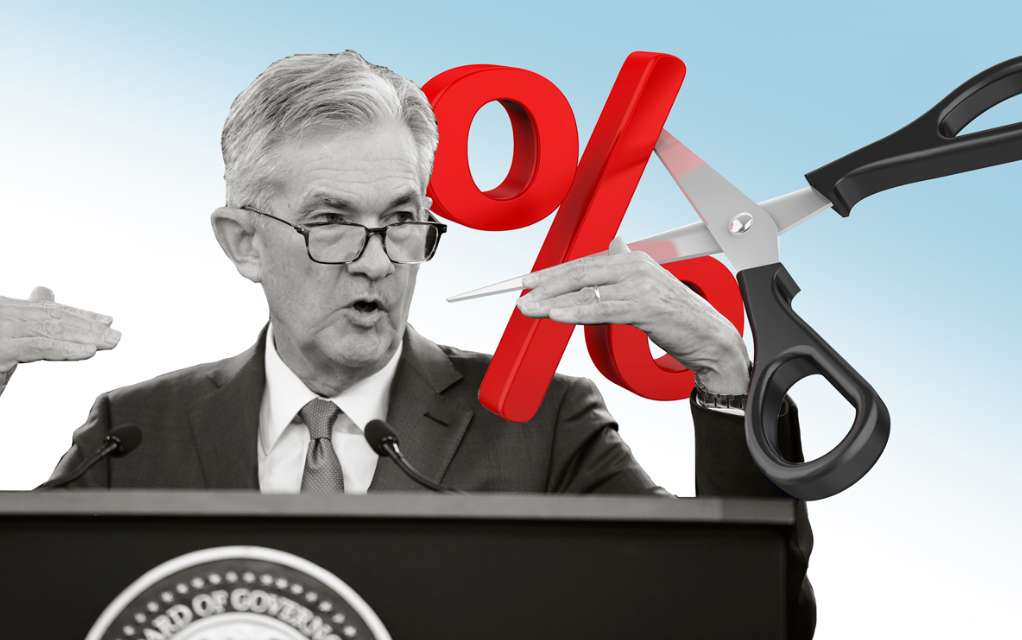
The key event for September 15‑21 was the Federal Reserve’s decision on September 17 to cut its benchmark rate by 25 basis points, bringing the federal funds rate target to 4.00‑4.25%. Reuters+1 This was the first cut since December 2024. Although expected, what was more important was the message: the Fed characterized the cut as a "risk‑management" move, emphasizing that economic risks—especially labor market deterioration—now carry more weight. Reuters+2Reuters+2
Officials projected two more quarter‑point cuts for the remainder of 2025. However, the Fed also warned that inflation remains sticky, and that growth is slowing. There is clear tension between wanting to support employment and ensuring inflation returns toward target. Reuters+1
A notable dissent came from newly appointed Governor Stephen Miran, who argued for a larger cut (50bps). Reuters This dissent highlights internal divisions and suggests that some at the Fed believe the economy needs more aggressive easing given mounting downside risks.
Labor Market Weakening vs Inflation Persistence
The labor market is showing signs of strain: hiring has slowed, unemployment risks are rising, and workweeks or hours are weakening in some segments. Governor Powell and other Fed officials flagged this explicitly. Reuters+1
Inflation, meanwhile, remains above target, especially in areas like housing, food, and services. Core inflation measures haven’t declined as sharply as hoped, and supply‑side pressures (commodities, transport, tariffs) are contributing to lingering inflation. Reuters+1
Thus, the Fed is caught between two uncomfortable extremes: easing too much risks fueling inflation, but being too tight may tip growth into contraction or put more stress on the job market.
Policy Risk & Political Pressure
Another key background theme: Fed independence has come under scrutiny. President Trump and other political actors have made public demands for more aggressive rate cuts. There is pressure to align policy more closely with political priorities. Reuters+1
The dissent by Miran and the political chatter matter because they may influence market expectations, risk premia, and also how investors interpret future Fed statements. If markets believe the Fed may be constrained politically, risk aversion could increase, especially if inflation surprises to the upside.
Geopolitical / External Risks
- Ukraine‐Russia conflict continues to affect energy supply expectations. Attacks on Russian refineries, terminals etc., have raised concerns about disruptions. Reuters+1
- Tariff policies, trade relationships (US‐China in particular), and trade war risks are still key wildcards. Any escalation or breakdown in negotiations could feed into supply chain cost pressures and inflation.
- International central banks and external demand (especially from China and Europe) still face slowdown risk, which could feed back to the US via trade and financial channels.
Equity Markets & Sector Themes
Mixed Reactions to the Fed Cut; Record Highs with Caveats
When the Fed announced the rate cut, markets broadly responded positively, with many indices moving to new highs. The S&P 500, Dow, and global and regional equity indices rallied to or near recent records. Reuters+3Reuters+3Reuters+3 However, the reaction was tempered: some tech / growth names lagged, and the S&P & Nasdaq didn’t uniformly dominate. In many cases, gains were modest; investors appear to be “weighing the risks” rather than leaping in. Reuters+2Reuters+2
Treasury yields rose—even as rates were cut—particularly at the longer end (10‑ and 30‑year yields). That’s suggestive of inflation expectations or risk premia rising, and reflects some skepticism that the easing cycle will be deep or smooth. Reuters+2Reuters+2
Sector Rotation / Key Movers
- Cyclicals / more interest‑rate‑sensitive sectors saw relative outperformance, or at least caught some investor interest. Lower borrowing costs help sectors like materials, industrials, financials, and real estate.
- Tech / AI names remain a story, but with increasing headwinds—regulatory scrutiny (especially from China), high valuations, and sensitivity to yield moves mean these names can underperform when expectations shift.
- Small caps (e.g. Russell 2000) briefly saw strength post‑cut, as investors bet that domestic economy sectors will benefit from easier financing and consumer relief. But strength was volatile and not yet sustained.
Valuations & Sentiment
Valuations remain elevated, especially in growth/AI names. Investors are increasingly cautious about paying up for “story” stocks where earnings growth is projected, but where disappointments are possible. Margin of safety is thinner. Sentiment seems to lean toward optimism around rate cuts, but with a growing number of warnings from analysts that the markets may be “priced for perfection.” Reuters+1
Forex & Currency Moves
USD Behavior
Following the Fed’s decision, the dollar had a mixed response:
- The dollar index strengthened modestly in the immediate aftermath of the cut; some of that was due to mixed signals in the Fed’s communication: the "cut but cautious" stance. Reuters+2Reuters+2
- Longer‑term rates rising and inflation expectations may also have boosted demand for USD as a perceived safe asset amid global uncertainty.
Major Pair Movements & Technicals
Though detailed live data from FXStreet / Yahoo Finance wasn’t fully accessible in these sources, from Reuters reporting:
- EUR/USD: likely benefited from somewhat weaker USD bias, but also weighed down by Europe’s own inflation / growth concerns.
- USD/JPY: likely saw safe haven demand fluctuations; with global risk elevated (Ukraine, trade), flows into JPY could be mixed.
- GBP/USD: similar dynamic to EUR; interest rates in UK/EU, inflation, political uncertainty, and trade policy all matter.
Emerging Markets & Commodity Currencies
- EM currencies are under pressure in many cases: weak external demand, sensitivity to USD strength, and capital outflows likely uncertain.
- Commodity‑linked currencies (AUD, CAD, others) may benefit if commodity prices are supported—especially energy and metals. But that depends on global demand and risk sentiment.
Safe Havens
- Gold, CHF, JPY continue to get bid when risk events or uncertainty spikes.
- In the recent Fed cut, gold surged to a record (~$3,707.40 spot), then pulled back as investors assessed the Fed’s message. Reuters
Commodities, Inflation & Real Assets
Gold & Precious Metals
Gold’s behavior is illustrative: it hit new peaks (~US$3,707.40 for spot gold) following the Fed cut, reflecting expectations for further easing, declining real yields, and inflation risk. But profit‑taking pulled gold back (~US$3,643.40) after the initial spike. Reuters
Silver and other precious metals broadly followed gold but are more volatile and sensitive to industrial demand and liquidity.
Energy & Industrial Commodities
- Oil prices saw some upward pressure due to supply concerns related to Ukraine’s strikes on Russian facilities. Disruption risk tends to tighten the margin in supply pipelines. But global demand concerns (China, global slowdown) subtract from the upside.
- Natural gas tends to see seasonal demand shifts now, and storage levels / weather forecasts will matter in coming weeks.
- Industrial metals: demand is mixed. On the one hand, infrastructure and China stimulus hopes are supportive; on the other, sluggish global growth weighs.
Inflation Expectations & Real Asset Hedging
- With inflation still above target, especially in categories like housing, food, services, and with energy supply risk, markets are increasingly testing inflation breakevens and inflation swap curves.
- Real assets (gold, real estate exposure, commodity producers) are attractive hedges in this environment, particularly if inflation surprises to the upside or supply constraints worsen.
Crypto & Digital Assets Snapshot
Because my access to detailed, up‑to‑the‑minute data (FXStreet, Yahoo etc.) is limited here, I’ll draw on what’s been reported recently plus general trends. You may want to supplement with live charts.
Bitcoin & Ethereum
- Bitcoin has been consolidating in the wake of the Fed cut. Some reports indicate strong support around key levels (which in recent weeks have been US$110‑115K in some analyses), with resistance zones in the vicinity of US$118‑120K. Breakouts above resistance might generate momentum, but downside risk remains if macro conditions sour.
- Ethereum is lagging Bitcoin somewhat—whether due to regulatory attention, slower growth, or investor preference shifting toward BTC or other assets. ETH faces resistance in its trading range and is more sensitive to policy and regulatory tailwinds (or setbacks).
Altcoins & DeFi
- There is speculative interest in altcoins and DeFi protocols—especially those pushing utility narratives (scaling, cross‑chain functionality, new token models). But volumes are uneven. A risk‑on sentiment helps altcoins, while risk aversion tends to dry up interest.
- The regulatory environment and macro outlook are key risk factors for these more speculative assets.
Institutional & Regulatory Signals
- Institutional interest remains a force. Crypto ETFs, or ETF‑like products, are being watched closely. Clear regulation would further unlock capital, but regulatory headwinds (tax, compliance, stablecoin scrutiny) remain.
- Policy signals (from SEC, CFTC, international jurisdictions) will likely be key drivers in the coming months.
Risk & Sentiment: Headwinds to Watch
Pulling all this together, here are key risk factors that could disrupt the current favorable narrative:
- Sticky inflation: If inflation refuses to roll over—especially services, wages, shelter—then even with rate cuts, real rates may remain restrictive, hurting growth.
- Labor & housing stress: Weak job growth, rising unemployment (especially among vulnerable groups), and high mortgage / housing costs could drag consumption. Consumer spending is ~70% of US GDP; any meaningful weakness there has outsized implications.
- Valuation risk and concentration: Many indices are narrowly led by a handful of tech / growth names; if those stumble, broader indices may lag severely. High valuations imply limited margin for error.
- Policy risk: Fed communication missteps, political interference, or unexpected regulatory / fiscal policy changes (tariffs, trade disruptions) can unnerve markets.
- Global demand / China slowdown: Downturns abroad reduce demand for commodities, hurt exporters, and can feed back into US earnings and sentiment.
- Liquidity & credit risk: Rising yields, tighter credit spreads, or deterioration in corporate debt fundamentals could pose downside. Also, markets may misprice risk in bond or credit markets; any widening of spreads hurts risk assets.
- Crypto regulatory risk: Sudden regulatory crackdowns, taxation changes, or restrictions could lead to sharp corrections in digital assets.
Looking Ahead & Trade / Portfolio Strategy
Based on the above, here are some strategic considerations and potential trades / portfolio tilts.
Key Upcoming Data & Events to Monitor
- Next Consumer Price Index (CPI) and Personal Consumption Expenditures (PCE) inflation reports, especially core inflation.
- Labor market updates: payrolls, unemployment rate, jobless claims, hours worked, participation.
- PMI / manufacturing / services flash data globally (US, Europe, China).
- Federal Reserve speeches / Fed minutes—especially any changes in tone around rate cuts.
- Oil & energy inventory reports; OPEC+ statements; geopolitical developments.
- Housing market data: starts, permits, prices, affordability metrics.
Scenario Planning
- Soft landing scenario: Inflation gradually declines, jobs slow but don’t collapse. In this case, cyclicals, value, small caps outperform, growth/AI still do okay, commodities supported, steady gains in risk assets.
- Sticky inflation scenario: Inflation lingers or reaccelerates; Fed is constrained. This would likely lead to higher yields, underperformance of growth stocks, possible negative surprises in consumer spending, greater demand for inflation hedges (gold, commodities), defensive equity sectors.
- Downturn / recession scenario: Consumer + housing + employment weakness triggers broader slowdown. Then get flight to safety: high quality bonds, defensive equities, cash, safe haven currencies, possibly gold, JPY, CHF. Risk assets suffer; credit spreads widen.
Trade Ideas & Positioning
- Equities: Consider trimming exposure to highly valued growth names; increasing allocation to sectors that benefit from easing rates and infrastructure (materials, industrials, utilities). Look for small cap exposure if risk tolerance allows; they often outperform when rate cuts start feeding through.
- Fixed Income: With yields rising at the long end, there may be opportunity in intermediate/long duration if inflation trends down. Also, look at credit—investment grade may be safer; high yield only if spreads seem priced for optimism and default risk is manageable.
- Commodities / Real Assets: Gold is a strong hedge here; oil exposure depending on supply risks; industrial metals tied to China/EM demand. Also real assets that can pass through inflation (e.g. inflation‑protected bonds, real estate, commodities producers).
- FX / Pairs: Long commodity currencies versus weaker or riskier EM; possible plays in EUR/USD, USD/JPY based on differential in inflation & interest rates; hedge USD exposure if dollar begins to weaken under rate cut / global liquidity push.
- Crypto: Possibly modest long exposure in Bitcoin with tight risk controls; Ethereum if resistance zones are breached; altcoins only with strict risk management and in pockets with strong fundamentals (project use cases, developer activity, adoption, regulatory clarity).
- Hedging / Diversification: Maintain some defensive allocation—either via low beta equity, global exposure, or safe haven assets. Options strategies (puts, collars) could help protect large gains. Inflation hedges (gold, TIPS) likely valuable in portfolios.
Portfolio Tilt Suggestions
- Slight underweight in highly valued growth / AI unless fundamentals strongly support earnings.
- Overweight in sectors that are interest rate and inflation sensitive in favorable ways (energy, materials, industrials).
- Keep liquidity / cash or near‑cash exposure handy in case of macro surprises.
- Geographical diversification: wherever earnings growth looks solid while valuations are reasonable (some parts of Asia, Europe, possibly EM).
Equity Markets & Sector Themes
Broad Market Overview & Record Highs
Last week’s market action was dominated by investor reaction to the Fed’s first rate cut of the year — a 25‑basis point cut to 4.00‑4.25% on September 17. Reuters+2Reuters+2 The cut was largely anticipated, but what stirred markets was the Fed’s forward guidance: hints that more easing may come, with expectations of two additional quarter‑point cuts before year‑end. Reuters+2Reuters+2
- U.S. indices edged up: the S&P 500 and Nasdaq futures hit record highs, driven by optimism about easing monetary policy and growth prospects. Reuters
- However, the session immediately after the cut was mixed—choppy trading, some profit taking, especially in rate‑sensitive growth names. For example, the S&P 500 and Nasdaq closed slightly lower, while the Dow managed a gain. Reuters+2Reuters+2
This divergence suggests markets are in a layering mode: pricing in easier financial conditions, but still sensitive to risks around inflation, earnings, and regulation.
Sector Rotation & Performance Drivers
With rate cuts, we often get rotation—money flowing out of high‑multiple growth names into sectors that benefit more directly from lower borrowing costs and more immediate economic sensitivity. That was clearly on display.
Cyclicals, Small Caps, and “Rate‑Sensitive” Sectors
- Small‑caps (Russell 2000) saw notable gains. They tend to outperform in easing cycles if credit spreads tighten and borrowing costs fall. Last week, small caps got a boost from the Fed’s cut and from investor expectations of further cuts. Reuters+1
- Financials, which are sensitive to both the yield curve and borrowing costs, showed mixed behavior. On one hand, flatter yield curves and concerns over net interest margins remain headwinds. On the other hand, expectations of easing and greater economic activity tend to support banking, insurance, and capital goods sectors. Reuters
- Industrials and Materials benefited from a tailwind: rate cuts tend to reduce financing costs and push up demand for commodities and capital expenditures. Markets appear to be picking up on this, although sentiment remains cautious until earnings deliver.
Growth, Tech & AI
- Tech and growth stocks have had a strong run this year, powered substantially by excitement around AI. Nvidia, for example, remains a bellwether, though the stock has come under pressure due to regulatory and trade concerns. Reuters+2Investing.com+2
- China’s regulatory action—probes into Nvidia for alleged anti‑monopoly violations; restrictions on the use of some Nvidia chips by Chinese firms—added meaningful risk premium to its valuation. Reuters+2Reuters+2
- That said, because many growth names are forward‑looking, the possibility of future rate cuts helps underwrite valuation, assuming inflation’s trajectory remains favorable.
Defensive & Interest‑Rate Proxy Sectors
- Utilities: As borrowing costs fall and as investors anticipate rate declines, utilities often act like bond‑proxies. Last week, the utilities sector saw gains, as yields fell and rate expectations shifted. Reuters
- Real estate / housing: Still under pressure. Mortgage rates do not fall immediately with Fed rate cuts, and housing remains sensitive to credit conditions and supply constraints. The sector may require more easing or some policy tailwinds to fully recover. Reuters
- Consumer discretionary: Mixed results. On one hand, rate relief boosts consumer sentiment, borrowing cost, and potentially disposable income. On the other hand, if inflation remains elevated (especially food, energy, housing), real incomes are squeezed. Some discretionary names rallied following the Fed cut, but with caution.
Key Movers & Stories
- Tesla: Benefited from insider buying disclosures. When a high‑profile insider (in this case Elon Musk) buys shares, it often signals confidence, which can fuel investor sentiment. TipRanks
- Nvidia: Sits at the center of growth/AI enthusiasm but also of regulatory risk. China’s anti‑monopoly probe and restrictions on AI chip purchases have generated volatility and downside risk. Reuters+2Reuters+2
- Tech in Europe vs US: In Europe, technology stocks led gains in parts of the market following the Fed cut. The STOXX 600 tech sector, for example, climbed materially after recent losses. Reuters
Valuation & Sentiment Concerns
While markets have rallied, some warning signs are appearing:
- Narrow Leadership: Much of the gains are driven by a relatively small group of large‑cap growth/AI names. If those stumble (due to regulation, trade, or earnings misses), broader indices may suffer.
- Valuations Stretching: With discounted rates, growth stocks look better valued, but many are still trading at high multiples relative to earnings or cash flow. As rate decline expectations are baked in, any surprises (inflation, weaker growth, policy headwinds) could trigger a revaluation.
- FOMO / Sentiment Overreach: Some investors seem to be chasing returns. Risk appetite is elevated—especially in riskier sectors / small caps / speculative growth. That often precedes pullbacks or correction phases, especially as liquidity or macro risk emerges.
Risks to the Upside & Downside
Upsides:
- Continued rate cuts, especially if inflation shows meaningful decline, could further benefit growth, small caps, cyclicals.
- Positive earnings surprises, especially from industrials or consumer discretionary, could reinforce sector rotation.
- Geopolitical stabilization or trade de‑escalation (e.g., US‑China deals) might boost tech / semis.
Downsides:
- Inflation staying sticky (housing, wages, energy) could force the Fed to hold back cuts, hurting high multiple growth names.
- Regulatory or policy risk, especially in trade / tech / China relations, could weigh on global tech & AI names (e.g. Nvidia).
- Economic data surprises: weak earnings, weaker consumer spending, slower industrial output could undercut sectors that have rallied on expectations rather than performance.
Strategic Takeaways for Equity Portfolio Positioning
Based on what we saw last week, here are some suggestions for how to think about sector tilts & equity exposure in portfolios:
| Strategy | Potential Tilt / Positioning | Risk / Caveats |
|---|---|---|
| Lean into cyclicals & small caps | Increase exposure to industrials, materials, financials, small cap indices that benefit from rate declines & domestic economic stimulus. | These are more susceptible to macro shocks (e.g. global slowdown, trade shocks). Also sensitive to credit spreads & borrowing costs. |
| Selective growth / AI exposure | Hold core exposure to AI / big tech names, but focus on those with regulatory clarity or diversified revenue. | High valuations, regulatory risk (especially across borders), trade/tariff exposure. Need to monitor forward guidance and earnings closely. |
| Defense & stable income proxies | Utilities, stable dividend stocks, sectors with steady cash flows could perform well if volatility picks up. | These tend to lag in strong bull runs; may be impacted by rising long yields if inflation or term premia rise. |
| Hedging / balancing acts | Consider using options or partial hedges on growth names; keep some cash or fixed income exposure; diversify across sectors to avoid overconcentration. | Hedging costs, opportunity cost of cash; mis‑timing risk. |
Summary
Section 2’s clear theme is rotation in progress: the Fed’s dovish shift has re‑awakened interest in sectors outside the core growth/AI cohort, while also injecting fresh optimism into the broader equity landscape. But that optimism is fragile—hinging on data (inflation, labor, trade), regulatory developments (especially for tech/AI and US‑China), and how quickly markets convince themselves that easing will actually arrive.
For equity investors, a blend of selective exposure—growth where justified, cyclicals for upside, defensive for protection—is a balanced way forward. Volatility is likely, so being nimble and watching technicals & macro signals will matter.
Forex & Currency Moves
USD Reaction: Expectations, Cuts & the Tug‑of‑War
The USD had a volatile week as markets parsed the implications of the Fed’s 25 bps cut on September 17 and the accompanying communication. Reuters+4Reuters+4Reuters+4
- Before the cut: The dollar had weakened ahead of the Fed meeting, largely driven by expectations of easing. Data showing waning labor market strength and inflation pressures created a backdrop in which traders anticipated dovish policy moves. Reuters+2Reuters+2
- Right after the cut: Initially, the dollar weakened further, especially against the euro, hitting a four‑year low versus the euro as markets positioned for the Fed’s move. Reuters+2Reuters+2 However, the Fed commentary (“risk management” language, data‑dependency) and remarks by Chair Jerome Powell dampened ultra‑dovish expectations, leading to a rebound in USD versus some majors. Reuters+2Reuters+2
- Yield behavior: Alongside the USD moves, U.S. Treasury yields saw shifts—longer end rising somewhat as inflation concerns lingered and as markets adjusted to a more cautious Fed outlook. That added upward pressure to the dollar in some crosses. Reuters+1
So in summary: USD was pushed down on expectations ahead of the cut, weakened further immediately after, then gained back ground once markets realized the Fed is proceeding cautiously rather than aggressively easing. That seesawing balance is shaping FX sentiment this week.
Major Currency Pairs: EUR/USD, GBP/USD, USD/JPY
Let’s break down what happened with some of the key pairs:
EUR/USD
- Pre‑Fed, EUR/USD rallied. As expectations grew for a rate cut in the U.S., the euro gained, hitting multi‑year highs in anticipation. Reuters+1
- After the Fed cut and Powell’s comments, the euro gave back some gains. Currency data shows EUR/USD trading down ~0.37% as of September 20‑21. Reuters+3Reuters+3Reuters+3
- Key technical resistance seems to be tested around earlier highs (~US$1.18‑1.19), and support zones around US$1.17 and lower if the dollar strengthens again. (Based on reported ranges in Reuters FX‑quote data.) Reuters+1
GBP/USD
- Similar to EUR, GBP enjoyed gains ahead of the Fed cut, helped by market expectations of U.S. policy easing and, in some cases, weaker-than‑expected UK inflation or labor data easing pressure on the Bank of England. Reuters+2Reuters+2
- But it underperformed slightly post‑cut, as a stronger USD and lack of dovish clarity from the Fed depressed GBP/USD. Bloomberg / Reuters quotes show ~0.66% decline in GBP/USD in recent sessions. Reuters+1
- Sterling pairs are also being affected by BOE policy expectations and UK-specific risk (inflation, fiscal jitters) which limit upside. Reuters+1
USD/JPY
- The yen’s movement was more mixed. The dollar strengthened modestly against JPY post‑Fed as USD yields and broader dollar sentiment rebounded. Reuters+1
- But there’s also caution: BOJ held rates steady, and made moves like deciding to sell ETFs / J‑REITs (asset interventions), which signals that Japan is reluctant to tighten prematurely, and that there’s concern over inflation even if growth remains sluggish. These actions support JPY somewhat as a safe haven. Reuters
Emerging Market Currencies & Safe Havens
- The Indian rupee slipped below 88 per USD after the Fed cut and firmer U.S. Treasury yields—despite what might’ve been moderately supportive signals for EM assets. Investors responded to mixed messaging from the Fed. Reuters
- Other EM currencies also experienced volatility: those with high external debt or dependency on commodity exports saw greater swings when USD strength reemerged. (Specific EM data not fully detailed in Reuters summaries.)
Safe haven / commodity currencies:
- JPY and CHF remain relevant, particularly in times of risk‑off or when the USD is strengthening unexpectedly. The yen got some support from BOJ policy moves. Reuters+1
- Commodity currencies (AUD, CAD, NZD) not as prominently featured in reports last week, but would be sensitive to both energy / metals prices and risk sentiment; when USD strengthens, these tend to underperform.
Key Technicals & Risk Levels
Based on the picked up data and reported quotes:
- EUR/USD resistance sits around $1.18‑$1.19, and support near $1.17 and possibly lower if dollar strength picks up. Break below support could test $1.16+.
- GBP/USD resistance zones near ~$1.36‑$1.37, with support around $1.34‑$1.35. So far, with weak follow‑through after gains.
- USD/JPY trading in a range with resistance near ~148.20‑148.50, support near ~147.00‑146.50. Yen volatility to remain high if BOJ signals or USD yield curves move sharply.
Also: USD indices rose modestly (~0.35%) after the cut and Powell remarks. Reuters+1 That tends to translate into pressure on all USD‑cross pairs, especially EUR and GBP.
Sentiment, Drivers & Tail Risks
Some of the forces at play in FX this week:
- Fed communication vs expectation gap: Markets were priced for aggressive easing; Fed messaging recalibrated that a bit, adding cautiousness. The more “meeting by meeting” language, and Powell’s caution, introduced risk premium to USD strength.
- Yield differentials: U.S. long‑end yields rising helped the dollar. Real / nominal yields in U.S. vs other countries underpin many of the currency movements.
- Inflation, labor data, economic surprises: U.S. unemployment claims dropping drove USD gains; lingering inflation continues to complicate the calculus for foreign central banks and FX markets. Reuters+1
- Central bank policy divergences: BOJ’s decision to intervene (ETF/R‑REIT sales), BOE slowing QT, Norges Bank cuts, etc., all contribute to relative appeal or stress in different currencies. Reuters+2Reuters+2
- Political / policy risk: Fed’s independence, trade policy, tariffs, global geopolitical risks (Ukraine etc.) continue to play into FX valuations via risk sentiment. These amplify swings in safe haven currencies.
- Commodity prices & external balances: Energy and metals impact commodity currencies; supply disruptions (e.g. Ukraine) and demand worries influence them. Also, current account / trade balances, capital flows are always a backdrop, though specific data was lighter last week.
Outlook & FX Strategy
Given how things moved, here are forward‑looking observations and potential trade / hedge ideas:
- If the Fed holds to cautious messaging, USD is likely to maintain strength against those pairs sensitive to rate expectations (e.g. EUR, GBP). But downside risk remains if inflation falls faster, or if external data (Europe, UK) shows resilience.
- Watch upcoming U.S. employment data, inflation prints (CPI/PCE), and yield curve moves closely: surprises to inflation downward could shift momentum away from USD.
- Possible trade ideas:
- Short EUR/USD pulls on strength near resistance, with tight stops above the recent highs, betting on USD rebounds.
- Put spreads on GBP/USD, hedging risk if UK policy / inflation surprises weaken sterling further.
- Long USD/JPY on dips, especially if BOJ remains dovish or intervenes, and if U.S. yields continue to edge higher.
- Hedging emerging market exposure where local currencies are vulnerable to USD strength (e.g. rupee, other Asia/LatAm FX), perhaps via forward contracts or FX options.
- Safe haven hedges remain relevant: keeping exposure (even small) to JPY, CHF, possibly gold as a dual inflation / FX hedge makes sense.
- Diversified FX portfolio: avoid overconcentration; monitor relative positioning in G10 and key EM crosses; pay attention to global risk events and their impact on flows.
Key Levels & Scenarios to Watch
Below are some levels and scenarios which could shift the FX picture materially:
| Pair | Resistance Level(s) | Support Level(s) | Key Data / Events to Trigger Moves |
|---|---|---|---|
| EUR/USD | $1.18‑$1.19 | $1.17; if broken, maybe ~$1.16+ | Eurozone inflation / growth data; U.S. inflation & labor data; ECB policy signals; USD yield curves. |
| GBP/USD | ~$1.36‑$1.37 | ~$1.34; below that risk of deeper pullback | BOE decisions, UK inflation and jobs; USD factors as above; risk sentiment. |
| USD/JPY | ~148.20‑148.50 | ~147.00‑146.50 | BOJ policy moves; USD yield curve shifts; global risk sentiment; Japanese inflation / economic data. |
Scenarios:
- Dovish surprise: If U.S. inflation falls sharply or labor market weakens more than expected → markets push for more cuts → USD weakens broadly, EUR and GBP rally, JPY weakens less but possibly volatile.
- Sticky inflation / hawkish surprise: If inflation stays elevated or supply shocks materialize → USD strengthens; pressure on EUR/GBP; safe havens rise; possible yen strength if global risk aversion picks up.
- Global demand shock / risk event: Could push flows into JPY, CHF; USD may serve as safe haven; volatile for EM; commodity currencies likely suffer.
Commodities, Inflation & Real Assets
Overview & Key Themes
During the week of September 15‑21, commodities and real assets saw renewed focus, as markets parsed the implications of the Fed’s rate cut and ongoing geopolitical risks. Several interlocking drivers shaped price action:
- The Federal Reserve cut rates by 25 basis points, and signaled potential for further easing later in 2025. That reduced real yields (yields minus inflation expectations) and boosted demand for non‑yielding assets. Reuters+2Reuters+2
- Geopolitical and supply‑side risks—especially resulting from Ukraine‑Russia conflict and Ukrainian drone attacks on Russian energy infrastructure—added risk premia to energy commodities. Reuters+1
- Inflation expectations remain sticky, especially given upward pressure from energy and precious metals markets. Markets are sensitive to how commodity supply constraints interact with demand, particularly from large importers or users.
Below, I break down specific commodities, inflation implications, real assets behavior, and what to watch.
Gold and Precious Metals
Price action & drivers
- Gold extended gains for a fifth consecutive week, with spot gold around US$3,660 per ounce and U.S. December futures rising similarly. The Fed’s cut, coupled with dovish forward guidance (expectations of more cuts) reduced opportunity cost of holding gold. Reuters+2Reuters+2
- On September 15, gold hit a new all‑time high (over US$3,680 per ounce) supported by a weaker dollar and lower U.S. Treasury yields ahead of the Fed meeting. Reuters
- Some retracement followed after Powell’s remarks introduced caution in markets. Profit‑taking pushed gold down from its peak (around US$3,707.40) to lower levels. Reuters
Inflation & real yield implications
- Gold tends to benefit when real yields fall (i.e. when interest rates minus inflation expectations go down). The Fed’s cut reduces nominal rates; persistent inflation keeps inflation expectations elevated, which both help gold. Reuters+2Reuters+2
- Inflation pressures from energy and possible disruptions in oil supply bolster gold’s safe haven appeal and act as an inflation hedge.
Precious metals beyond gold
- Silver, platinum, and palladium saw mixed outcomes. While silver rose (~1.3% in some reports) following gold gains, volatility remains high for the industrial metals among these, because demand is sensitive to global growth. Reuters
- For platinum, palladium etc., supply constraints and industrial demand (especially automotive, electronics) matter, but inflation and demand risks weigh heavily.
Outlook & potential
- Analysts like those at Deutsche Bank have raised forecasts for gold, with some projecting it could reach US$4,000/oz by 2026 if rate cuts continue and inflation remains sticky. The Times
- Key downside risks: If inflation falls faster than expected, real yields could rise; if the USD strength returns; or if central banks other than the Fed raise rates or tighten unexpectedly.
Energy (Oil, Natural Gas, etc.)
Supply & disruptions
- One of the biggest supply risks stems from Ukraine’s intensified drone attacks on Russian infrastructure, including export ports and refineries. According to industry sources, this has already reduced refining capacity significantly and caused disruptions at ports like Primorsk and Ust‑Luga. Reuters
- Russia is considering reducing oil output partly because of infrastructure damage and because storage capacity / ability to deliver to export terminals has been pressured. Reuters
Price behavior
- Oil prices rose on the week, buoyed by these supply disruptions and renewed risk premium. Markets are sensitive to both geopolitical escalation risk and shifts in demand forecasts (especially given that global economic growth is showing mixed signals). Reuters
Demand side & cost inputs
- On the demand side, there's uncertainty. Slower growth in some major economies (or risk thereof) could dampen demand, even as parts of the world see rising energy needs.
- Input cost pressures remain: energy producers face higher costs (transportation, refining, maintenance) under risk of disruption. That can feed into inflation directly (fuel, heating, electricity) and indirectly (manufacturing, shipping).
Natural gas & others
- Less reporting this week specifically on natural gas, but as with oil, supply constraints, weather, storage, and transport risk remain important variables.
Industrial Metals & Inflation Hedges
- Metals like copper, nickel, aluminum etc. have mixed outlooks. On one hand, infrastructure spending, electrification, clean energy transition support demand. But slowed demand from China or global industrial sectors, along with transport/logistics issues, are headwinds.
- Inflation hedges in commodities: beyond gold, certain base metals and real assets (e.g. commodities producers, real estate with inflation‑linked leases) become more attractive when inflation expectations are elevated.
Broader Inflation Expectations & Real Asset Implications
- Inflation expectations are being monitored via breakevens, inflation swaps, survey measures. With energy and gold rising, inflation expectations could be pushed higher, which complicates central bank decisions.
- Real assets (gold, real estate, commodity producers) are being viewed more favorably in this environment. Investors worry about inflation (and cost pressures), but also about how policy easing can lag behind inflation.
- Real assets also provide a hedge in risk events (geopolitical, supply shocks). The Ukraine conflict is one such risk.
Risks & Tailwinds
Tailwinds:
- Continued Fed easing (if inflation allows), especially with rate cuts factored in, will support gold and other non‑yielding assets.
- Further supply disruptions in oil or energy (from Ukraine, Russia, or elsewhere) add risk premium to energy commodities, helping those prices.
- Inflation staying more persistent than expected will drive flows to inflation hedges.
Risks:
- Demand side weakness: global slowdown, weaker industrial output, or demand falls in China could cause pressure on base metals and energy demand.
- Stronger USD or rising real yields (if inflation surprises to the downside) could dampen gold’s appeal.
- Policy tightening elsewhere (outside U.S.), trade restrictions, or regulatory interventions (carbon / energy policy) could shift cost structures.
- Oversupply risk: In some metals, supply pipeline may catch up; in oil, if sanctions or disruptions ease, supply may rise unexpectedly.
Trade & Portfolio Ideas (Real Assets & Commodities)
Here are strategic trade / positioning ideas based on the current landscape:
| Asset Class | Potential Position / Trade | Rationale | Risks |
|---|---|---|---|
| Gold & Precious Metals | Overweight gold via futures or gold ETFs; selectively maintain positions in silver/platinum for speculative upside. | Lower rates, inflation risk, safe haven demand, weakening USD. | USD strength, rise in real yields, policy tightening. |
| Oil & Energy Producers | Long positions in oil exposure (producers, upstream companies); possibly long energy producers with good balance sheets; consider hedges if supply risk increases. | Supply shocks, geopolitical risk, demand recovery. | Demand headwinds, regulatory / environmental risk; speed of supply restoration; cost pressures. |
| Industrial Metals | Long exposure to base metals tied to infrastructure / clean energy (e.g. copper) if demand outlook remains stable; consider commodity producers’ equities. | Transition demand, stimulus, global infrastructure needs. | Sluggish global growth, inventory buildup, shipping/distribution constraints. |
| Inflation Swaps / Breakevens | Use inflation derivatives or inflation‑linked bond exposure to hedge or profit from rising inflation expectations. | Market seems to be pricing in inflation persistence; movements in energy / commodities feed inflation. | If inflation slows, these instruments can lose value; also, premiums are sometimes high. |
| Real Estate / Real Asset Equities | Exposure to REITs with inflation‑linked leases or sectors like infrastructure, utilities. | Real assets offer income + inflation protection; benefits from lower borrowing costs. | Interest rate risk; property‑specific risk (supply, regulation, tenant demand); cost of capital improvements. |
Forecasts & Key Levels to Watch
- Gold: watch US$3,700‑US$3,730 as short‑term resistance; US$3,640‑US$3,650 as support. A breakout above resistance could open more gains; a drop below support might trigger pullback. (Based on recent highs & retracements.) Reuters+2Reuters+2
- Oil: closely monitor output changes in Russia (especially from damaged infrastructure), OPEC+ decisions, and global demand signals (China, EU consumption). Inventory reports (EIA, IEA) will be critical near term.
- Inflation metrics: core CPI / PCE prints; energy inflation; wage & labor cost data; producer price indices.
Crypto & Digital Assets Snapshot
Bitcoin & Ethereum: Movement, Momentum, and Key Levels
Price Behavior & Reaction to the Fed
- Bitcoin has responded positively, though with periods of volatility. Following the Fed’s 25bps rate cut, Bitcoin rallied toward US$117,000‑US$118,000, setting a fresh ~6‑week high. Investing.com+1
- After an initial dip post‑announcement (BTC briefly fell toward ~$114,700), buyers stepped in, pushing it back up. That suggests the market sees some durability in the cut and expects more easing ahead. Investing.com
- Ethereum also saw gains, though more muted. One report places ETH around US$4,594, up ~1.7% following the Fed decision. Economies.com
- However, ETH‑linked ETFs saw some outflows (e.g., ~$61.7 million out on one day) which signals that short‑term investors might be rotating or taking profits, even as sentiment remains generally constructive. Economies.com
So the picture: BTC is leading, benefiting from macro tailwinds; ETH is improving but with caveats. Technical resistance and support zones are more tightly defined now (BTC resistance ~US$120,000 area; support ~US$114,000‑115,000). Investing.com
Altcoins, DeFi & Speculative Names
- Solana (SOL), Avalanche (AVAX), and other altcoins saw stronger percentage gains in the immediate wake of the Fed cut. For instance, in some reports SOL was up ~3.5%, AVAX +9% in a 24‑hour window. Investing.com
- The altcoin rally is being aided by renewed risk appetite—investors appear willing to reach further for yield or upside now that some monetary easing is anticipated. But with that comes greater sensitivity to negative macro or regulatory surprises.
- DeFi protocols haven’t dominated headlines as much this week compared to Bitcoin/ETH/altcoins, but speculative activity remains, particularly among tokens with high utility potential or those riding speculative momentum. Liquidity remains uneven; trading volumes in many altcoins remain volatile.
Institutional Interest & Regulatory Signals
- One of the biggest developments: SEC’s change to generic listing standards for spot crypto ETFs. Under the new rules, exchanges such as NYSE, Nasdaq, and Cboe can use generic listing standards for spot commodity/crypto ETFs. That substantially lowers the barrier for launch, particularly for coins beyond just Bitcoin and Ethereum. Reuters+1
- This change is seen as a watershed for the digital asset industry, because the approval process time is reduced from as much as ~240 days to ~75 days in some cases. Reuters
- An example: the soon‑to‑launch Rex‑Osprey Doge ETF, which will hold Dogecoin, has been approved, signaling mainstream acceptance of more speculative / non‑utility tokens. Financial Times
- On the regulatory front in Europe, tensions remain. France is pushing back against “passporting” under MiCA, warning it might block crypto firms licensed in other EU states from operating in France unless oversight is tightened. Reuters
- In the UK, the FCA is proposing exemptions for certain crypto firms from rules related to integrity, suitability, etc., to encourage competitiveness and innovation—though that raises questions about investor protection. Reuters
Risk Factors & What Could Trigger Pullbacks
While many tailwinds exist, several risk zones and headwinds could limit upside or produce sharp reversals:
- Regulation / Policy Surprises
- Even with favorable regulatory changes in the US, surprises could include enforcement actions, tax changes, or tightened oversight.
- In Europe and the UK, inconsistent enforcement or regulatory fragmentation (as seen in France’s stance vs. MiCA) could create jurisdictional risk.
- Macro Weakness & Inflation Surprises
- Crypto tends to be sensitive to macro risk: if inflation remains sticky or growth falls faster than expected, interest rates may not ease as much as markets hope. Rising real yields tend to pressure crypto assets.
- USD strength or unexpected hawkish rhetoric could dampen demand.
- Market Liquidity & Sentiment Reversal
- Profit taking, especially in altcoins and ETH, which often lead up but lag on sharp pullbacks. Weak ETFs or outflows can signal sentiment weakening.
- Technical resistance zones could trigger sell‑offs if buyers fail to push through.
- Security / Technical Risks
- DeFi or protocol vulnerabilities, network issues, or hacks can quickly shift sentiment.
- Stablecoin regulation or failure risk remains an ever‑present concern.
- Competition & Innovation Risks
- New protocols, Layer‑2 scaling solutions, or newer tokens might draw capital away. Also, as ETFs proliferate, product competition may compress fees or raise investor expectations.
Trade & Portfolio Strategy
Given the opportunities and risks, here are more detailed suggestions for positioning in the crypto/digital asset space:
| Approach | Possible Position / Strategy | Rationale | Key Risks / What to Monitor |
|---|---|---|---|
| Long Bitcoin Core Exposure | Maintain / increase exposure to BTC for investors with some risk tolerance. It’s showing resilience post‑cut and is benefiting from macro tailwinds (lower rates, inflation concerns). | BTC tends to lead, less regulatory risk (relatively), higher liquidity. | Watch resistance around US$120,000; monitor for USD strength or policy tightening. Also, macro weak spot (jobs, inflation, etc). |
| Selective Ethereum & Layer‑1 Exposure | Hold ETH, especially if resistance zones are broken. Consider projects with strong fundamentals / utility. Layer‑1 / scaling chains may offer upside if usage / adoption picks up. | ETH is core for DeFi, major applications, staking; potential upside if institutional flows increase. | Higher volatility; ETH product / ETF flows; regulatory risk (staking, tax); competition from other chains. |
| Altcoins / Thematic Plays | For traders with higher risk tolerance: seek exposure in altcoins with strong narratives (Infrastructure, Web3, AI + blockchain crossover, DeFi re‑builds). Small positions, tight risk management. | These offer leverage to positive sentiment and macro tailwinds. | They’re more fragile; liquidity swings; technical risk; regulatory / token economics risk. |
| ETF & Tradable Exposure | Use crypto ETFs (where available) for cleaner exposure; lower complexity; less operational risk. Monitor new offerings (Dogecoin ETF, etc) as part of watching demand shifts. | Lower friction; institutional entry; potentially less volatile than direct token exposure depending on product structure. | ETF holdings / structure matters; fees; tracking error; regulatory risk on product eligibility. |
| Hedging | Use options if available; keep some capital in safe haven assets; consider USD stablecoins if not deploying capital; possibly short‑term hedges against regulatory or macro surprises. | Protects against worst case; allows participation while guarding downside. | Hedging costs; over‑hedging can hurt upside; tail risk events hard to fully hedge. |
Forward Outlook & Key Data / Events to Watch
To stay ahead, these are the key signals and events that could move the crypto markets sharply in the coming weeks/months:
- Upcoming Fed communications, especially speeches & minutes. Pay close attention to inflation expectations, jobs data, and how they frame future cuts.
- Inflation reports (Core CPI, PCE), wage growth, and employment / jobless claims.
- Regulatory developments:
- How new SEC generic listing standard rules are implemented (which coins / ETFs get approved when)
- Enforcement actions or clarifications (in US, EU, UK)
- Treatment of stablecoins, DeFi regulation, tax policy
- Technical levels for Bitcoin & Ethereum: resistance (BTC ~US$120,000+), support (~US$114,000‑115,000), ability to hold above 50‑day moving averages, strength in RSI / volume.
- Altcoin flow / volume metrics: whether trading volumes pick up or fade; whether investors rotate away from risk assets if macro not supportive.
- Macro crosswinds: USD strength, geopolitical shocks, commodity inflation, risk sentiment.
What This Suggests for Investors
Putting it all together, here are some practical implications for portfolios with crypto exposure:
- Overweight core crypto (especially BTC) may pay off if the easing cycle continues and inflation remains elevated.
- Maintain optionality on ETH and strong altcoins, but keep position sizes measured, since these are more vulnerable to downside.
- ETFs and mainstream product innovation are likely catalysts for more capital entering the space; monitoring these could provide early signals of institutional demand shifts.
- Regulation is becoming more favorable in several jurisdictions—but that doesn’t mean risk goes away. Investors should treat regulation as a variable, not just a backdrop.
- Diversification beyond crypto tokens: exposure to blockchain infrastructure, staking, and perhaps tokenized real assets may offer less correlated upside.
- Risk management remains essential: Given volatility, protect capital via stop losses, hedges, and cautious leverage.
Risk & Sentiment — Headwinds to Watch
1. Valuation Risks & Market Overstretch
- Record Highs and Forward P/Es Near Extremes: U.S. equities are trading at lofty valuations. One report notes the forward price‑to‑earnings (P/E) ratio for the S&P 500 is ~22.6x, which places it in the ~99th percentile over the past 20 years. Investing.com
- Global equity funds saw large outflows despite markets setting new highs: investors are booking profits and taking gains, signaling concerns about overbought conditions and limited upside from current levels. Investing.com+2Investing.com+2
- Narrow leadership: Much of the equity market gains have been driven by select tech / AI / growth names, which increases concentration risk. Should any of those names suffer regulatory, earnings, or macro headwinds, overall indices could be disproportionately impacted.
2. Labor, Housing & Consumer Stress
- Labor Market Softening: Jobless claims and unemployment are rising, job openings have begun to decline relative to job seekers, indicating loosening in the labor market. Reuters
- Housing Market Weakness & Affordability:
- Single‑family housing starts dropped 7.0% in August; building permits also fell ~2.2%. Inventory of unsold homes has built up. Reuters
- Mortgage rates remain elevated (~6.35–6.50% for 30‑year fixed rates), suppressing demand. Even though rates have eased somewhat from highs, the decline has not been enough to restore affordability. Reuters+2Investing.com+2
- Existing home price indices (e.g. S&P CoreLogic Case‑Shiller) have declined for several months; survey forecasts expect only modest gains over the next year, indicating market participants expect lingering weakness. Reuters
- Consumer Spending / Sentiment Under Pressure: When housing costs + mortgage payments + rent rise, discretionary income is squeezed. With job growth softening, there is a risk that consumer demand lags expectations. Sentiment surveys are mixed but trending cautious given high cost of living. (Implied by housing + labor data.) Reuters+2Reuters+2
3. Liquidity, Credit Spreads & Financial Conditions
- Liquidity Tightness:
- The Fed’s ongoing quantitative tightening (QT) — allowing mortgage‑backed securities (MBS) and Treasuries to roll off without reinvestment — has reduced liquidity in certain markets. PIMCO has recommended pausing the mortgage unwind to ease mortgage rates and support affordability. Reuters
- Usage of the Fed’s Standing Repo Facility (SRF) and reverse repo (RRP) facilities expected to rise significantly at quarter‑end, reflecting stress in funding / cash‑to‑Treasury markets. Estimates suggest RRP usage could hit about US$275B, SRF inflows ~US$50B. Reuters
- Credit Spreads:
- Investment‑grade corporate bond spreads have tightened to near record lows; yields have fallen, suggesting strong demand and relatively complacent pricing in credit markets. Reuters
- But this also means there’s less cushion for negative surprises in growth, interest rates, or default risk. Should risk sentiment deteriorate, spreads could widen rapidly.
- Equity Fund Flows Showing Caution:
- U.S. equity funds saw their largest net outflow since December 2024 in the week ending Sept 17 (~US$43.19B). This implies many investors are taking profits and reducing exposure despite elevated market levels. Investing.com
- Global equity funds saw similar profit-taking: US equities pulled back; flows into bonds and precious metals increased. Investing.com
4. Policy Uncertainty & Fed Messaging Risks
- The Fed’s cut of 25bps was widely expected, but its messaging has raised questions:
- Fed Chair Jerome Powell referred to the latest cut as a "risk‑management" move, emphasizing labor market weakness. Reuters+1
- At the same time, some Fed projections in the dot plot were adjusted: even as cuts were signaled, some projections for inflation and GDP growth were raised. This creates ambiguity around how aggressive easing will actually be. Reuters
- Political pressure and concerns over Fed independence are also being flagged as potential risks in the communication mix. Markets dislike uncertainty, and mixed signals from policy can exacerbate volatility. Reuters
5. Trade, Geopolitical & External Shocks
- Ongoing risks from Ukraine‑Russia conflict (particularly energy infrastructure attacks) continue to pose upside risks to energy prices, which feed into inflation.
- US‑China trade relations remain in play; regulatory / tariff changes can ripple into supply chains, corporate earnings, and investor risk perception.
- Global slowdown risk: parts of Asia and Europe remain vulnerable to weaker demand, inflation, and policy tightening. A weaker external environment could reduce exports, weigh on commodity demand, and ultimately feed back to U.S. markets.
6. Tail Risks & Potential Triggers for Pullbacks
Here are some triggers to watch that could lead to a correction / risk event:
| Trigger | What Could Happen / Why It Matters |
|---|---|
| Inflation remains sticky or resurges | If inflation, especially in services, housing, or wages, refuses to come down, Fed may cut less than markets expect, real yields stay elevated, hurting growth / high‑P/E sectors. |
| Labor market weakness accelerates | Rising unemployment or sharp drop in hiring could reduce consumer demand, reduce earnings, lead to negative revisions, undercut equity performance. |
| Housing market collapse or sharper price declines | Would not only hit residential construction, banks, mortgage providers, but also consumer wealth effects (people feel less wealthy, reduce spending). |
| Liquidity shock or funding stress | Repo market issues, cash / collateral scarcity, large reverse repo or SRF usage signals strain; could trigger credit spread widening, jump in term premiums, possible volatility spike. |
| Policy misstep or hawkish surprise | If Fed surprises by signaling fewer cuts or undershooting on easing, or if central banks elsewhere tighten unexpectedly; or fiscal policy unexpected moves (e.g., taxes, trade). |
| Geopolitical / supply chain disruptions | New sanctions, war escalation (Ukraine, Middle East, Asia), trade disruptions that impact energy, commodities or shipping could spike costs and feed inflation. |
| Corporate earnings disappoint | If companies miss earnings or give weak guidance, especially in growth/AI/tech sectors, that could trigger steep multiple compression given high valuation levels. |
7. Sentiment Indicators & Composite Signals
- Fund Flows / Outflows: As noted, significant outflows from equity funds (U.S. and global) even in the face of record highs is a warning sign. Some rotation toward bonds or safe assets is occurring. Investing.com+1
- Housing and Labor Surveys: Homebuilder sentiment remains muted. Builders are offering incentives and price cuts to clear excess inventory. Inventories of unsold homes are increasing. Reuters+1
- Credit Markets: Tight spreads may reflect optimism but also leave little margin for risk. Corporate issuance has picked up post‑Fed cut, showing confidence, but credit markets are vulnerable. Reuters
- Liquidity / Funding Rates: Repo & reverse‑repo facility usage, spreads in front‑end funding markets, and expectations around quarter‑end funding stress are all worth watching. A spike in SRF/RRP usage or stress in repo markets could presage broader market jitters. Reuters+1
8. Overall Sentiment Tone
Taken together:
- Investors are cautiously optimistic: The Fed cut is welcomed but many are wary about how much easing is still to come and whether macro conditions (inflation, labor, housing) will allow it.
- There's a risk of complacency: Tight credit spreads, strong equity gains, and elevated valuations suggest many market participants are relying on a “soft landing / favorable scenario” assumption.
- Many are hedging or being defensive with positioning: That shows up in fund outflows, rotation into bonds or safe assets, selective exposure rather than broad risk taking.
Strategic Implications: What to Do Given These Headwinds
Here are some actionable takeaways for investors to protect portfolios or position for asymmetric risk/reward, given the headwinds and sentiment landscape:
- Reduce Exposure to Overvalued / High‑Beta / Growth‑Only Names
- Given valuation risk and narrowing leadership, consider trimming or hedging exposure to growth / AI / megacap names that have run hardest and may face regulatory / earnings tailwinds.
- Shift Toward Defensive / Quality
- Stable earnings, dividend‑paying sectors, utilities, consumer staples may outperform in a pullback.
- Also sectors with inflation pass‑through (e.g., energy, materials) might have some cushion.
- Manage Duration & Credit Risk Carefully
- With long yields rising and inflation expectations still unsettled, duration (especially longer‑dated fixed income) may have risks. Consider barbelled exposure or limiting exposure to bonds if yield curve steepness or term premium risks rise.
- Monitor corporate credit exposure. Tight spreads mean less margin for error; if defaults or downgrades rise, high yield is riskier.
- Hedge Tail Risks
- Use options, portfolio protection strategies around major drawdowns.
- Maintain some allocation to cash or highly liquid assets to take advantage of dislocations if they arise.
- Watch Housing, Labor & Inflation Data Closely
- In particular: new home sales, building permits, home prices; wage growth; jobless claims; different inflation components (services, rents). These will reveal whether the softening is manageable or tipping toward recession.
- Monitor Policy & Fed Signals
- Speeches, dot plots, minutes matter. Any shift away from rate cut expectations could trigger volatility.
- Also pay attention to fiscal policy, trade policy, and global central bank moves (outside U.S.), as they can cross‑impact.
- Be Prepared for Volatility / Reversions
- Given stretched conditions, risk that markets undergo a correction or consolidation rather than straight line gains.
- Maintain discipline: rebalancing, stop losses, diversification across geographies/sectors.
Looking Ahead & Trade / Portfolio Strategy
Key Upcoming Data & Events to Monitor
To sharpen your view, here are the most important data releases, policy events, and economic indicators in the near‑term. These will help validate or refute current market expectations.
| Indicator / Event | Tentative Timing | Why It Matters |
|---|---|---|
| PCE Inflation Reports (core & headline) | Late September / early October | The PCE (Personal Consumption Expenditures) index is the Fed’s preferred inflation gauge. Its trajectory (especially core PCE) will heavily influence rate‑cut expectations. If inflation eases meaningfully, it could support more aggressive easing; if not, markets may adjust back toward tighter monetary policy. Bureau of Economic Analysis+2philadelphiafed.org+2 |
| CPI / Core CPI Releases | Ongoing, monthly (next around mid‑October) | CPI gives earlier signals; unexpected inflation surprises here often move markets, especially given stickiness in housing, energy, and services. The recent YoY CPI came in at ~2.9%, matching forecasts. Investing.com |
| Labor Market Indicators (jobs report, unemployment claims, hours worked, wage growth) | Monthly, especially non‑farm payrolls; weekly filings for jobless claims | As Fed officials have emphasized labor market weakening as a risk, evidence of a sharp deterioration (or the lack thereof) will weigh heavily in assessing whether further cuts are likely or premature. |
| PMIs / Manufacturing & Services Readings Globally (US, EU, China)** | Flash numbers typically late in month | These will be a major read on global demand, manufacturing strength, supply chain pressures, and whether global growth is solid enough to support commodity demand, corporate earnings, etc. |
| Housing Market Data (permits, starts, existing & new home sales, affordability metrics) | Monthly / quarterly updates | Housing is both a consumption engine and a source of inflation via shelter costs. Rising rates have squeezed affordability and thus demand. Weakness here can ripple to credit, wealth, consumption. |
| Corporate Earnings and Forward Guidance | Quarterly earnings seasons (especially late Q3 / early Q4) | Strong earnings / optimistic guidance can reinforce equity gains; disappointments can trigger multiple compressions, especially in high P/E sectors. |
| Fed Speeches, Minutes, Dot‑Plot Updates | FOMC meetings, mid‑term policy speeches | Markets are highly sensitive to Fed messaging. Adjustments in the dot‑plot (i.e. projections of future rate cuts), language around risk management vs. aggressive easing, inflation vs employment weighting, etc., will move expectations and risk premia. |
| Geopolitical / Supply Side Events | Continuous; watch developments in Ukraine, trade policy, energy supply disruptions | These often produce non‑linear risk—spikes in energy costs, shipping disruptions, regulatory changes, or sanctions can shift inflation, FX, and commodity dynamics rapidly. |
Forecasts & Scenarios
To prepare, consider three baseline scenarios. Each has implications for sector exposure, risk management, and trade opportunities.
| Scenario | Key Drivers / Assumptions | Expected Markets Reaction / Performance |
|---|---|---|
| Base Case (Soft Landing + Gradual Easing) | Inflation gradually declines toward ~2.7‑3.0% YoY (core PCE/CPI), labor market slows but avoids sharp job losses, Fed cuts 2‑3 more times in 2025, global demand stays stable, energy supply moderate. | Equities (especially cyclicals, small caps) outperform; growth stocks benefit but more moderately; commodity prices tend to firm, metals / energy up; USD weaker; real assets (gold etc.) positive; crypto likely to perform on tailwinds of rate cuts + inflation hedging. |
| Sticky Inflation / Sluggish Growth | Inflation declines slowly or remains elevated in certain sectors; supply constraints persist; labor market softness but not collapse; Fed becomes cautious, cuts fewer times or delays; global growth weakens. | Yields remain elevated or volatile; growth / high P/E sectors underperform; cyclicals do OK but risk gets priced in; real assets / inflation hedges (gold, oil, commodities) outperform; USD holds up; risk assets see more drawdowns; FX volatility increases. |
| Downturn / Recession Risk Materializes | Labor market deteriorates significantly; consumer spending shrinks (due to housing, real earnings pressure); global demand falters; inflation shocks may still persist but growth is the overriding risk; Fed cuts more aggressively but inflation remains a concern. | Defensive sectors/outperformers (utilities, consumer staples, healthcare); fixed income with shorter duration or quality credit; steepening or curve inversions problematic; safe havens (JPY, CHF, gold) rally; equities suffer broadly; selective opportunities in distressed but high potential growth or turnaround stories; crypto likely volatile with downside risk. |
Trade & Portfolio Strategy Ideas
Given the data, scenarios, and risk environment, here are detailed trade ideas & portfolio positioning thoughts:
- Portfolio Allocation Adjustments
- Consider moving from a traditional 60/40 stock‑bond portfolio toward slightly more diversified mixes, such as 60/20/20 (60 % equities, 20 % bonds, 20 % gold/inflation‑hedged assets). This is especially relevant in environments of inflation risk and policy uncertainty. For example, Morgan Stanley’s CIO has recently championed the 60/20/20 mix. Reuters
- Maintain liquidity / cash or near‑cash positions to reposition if macro shock. Having dry powder is useful given valuation stretch and uncertainty.
- Equities: Sector & Style Tilts
- Overweight cyclicals (industrial, materials, energy) relative to high P/E growth, especially growth tied to interest rates & regulatory risk.
- Within growth, favor companies with strong earnings, low reliance on leverage, diversified revenue (international exposure helps if USD weakens).
- Maintain exposure to defensive sectors: consumer staples, utilities, healthcare, especially in recession risk scenarios.
- Fixed Income & Duration
- Modest extension of duration may be rewarded if rate cuts proceed and inflation eases. But avoid overcommitting in very long maturity bonds if inflation / risk premium remain elevated.
- Favor short‑ to intermediate‑duration high credit quality bonds; cautious in high yield unless spreads widen to provide sufficient buffer.
- Consider inflation‑linked bonds (TIPS etc.) as hedges if inflation remains sticky.
- Commodities / Real Assets / Alternative Assets
- Gold remains attractive: inflation hedge + safe haven. Positioning here may protect against downside in other asset classes.
- Energy commodities have supply disruption risk; selective exposure to producers with strong balance sheets could offer upside.
- Industrial metals: watch demand signals (China, EU). If stimulus or infrastructure investment accelerates, metals (e.g., copper) could benefit.
- Real estate / REITs with inflation‑linked cash flows or strong occupancy + pricing power should be considered, but mindful of interest rate risk.
- FX & Alternative Plays
- Long commodity currencies (CAD, AUD) may benefit from higher commodity prices and USD weakness in easing scenario.
- Safe havens (JPY, CHF) remain good hedges in risk or inflation surprises scenarios.
- For USD pairs (EUR/USD, GBP/USD, USD/JPY), monitor resistance/support zones; consider tactical trades (short on strength, long on weakness) depending on event flow.
- Crypto / Digital Assets
- Core allocation to Bitcoin as a macro hedge and inflation play may make sense if rate cuts continue; careful with exposure size.
- Ethereum and select Layer‑1 / utility chains where fundamentals are strong remain optional upside.
- Keep an eye on regulatory developments and ETF flows—these can generate both upside and downside surprises.
- Hedging & Risk Management
- Use options (puts, collars), or inverse/VIX‑like exposure to protect against market shock.
- Diversify across geographic markets—non‑US equity exposure could offer opportunity if USD weakens or US growth underperforms.
- Monitor key indicators (inflation, labor, yields) for triggers to re‑balance or reduce risk exposure.
Practical Tactical Moves
Here are some more concrete trades / tactical ideas, with time‑frames (short‑term vs medium‑term) and risk considerations:
- Short‑term tactical move (~1‑3 months): Buy gold or gold ETFs on dips, possibly when USD shows weakness. Use tight stop‑losses around recent support levels.
- Medium‑term (~3‑12 months): Build exposure to industrials & materials in equity portfolios; overweight energy producers with strong cash flows; consider small cap exposure if credit / liquidity environment holds.
- FX tactical: If EUR/USD approaches resistance and inflation or Fed data disappoints, consider short position; alternatively, long positions in CAD or AUD if oil/commodity prices stay strong.
- Fixed income hedge: Hold some TIPS and/or short duration high quality bonds; avoid long credit exposure until inflation path clarifies.
- Crypto: modest BTC long, but limit size; perhaps pair that with hedges (options) in case macro surprises.
Portfolio Positioning Summary
Putting the above together, here is how one might structure or adjust a portfolio under current conditions:
- Core equity exposure: ~50‑60 % in equities, diversified across sectors, with tilt toward cyclicals and defensives rather than pure growth.
- Fixed income: ~15‑25 %, emphasizing intermediate maturities, inflation‑linked securities, high credit quality.
- Alternatives / Real assets: ~10‑20 %, including gold, commodities, perhaps some real estate exposure where yield/income can offset inflation.
- Cash / Liquidity: ~5‑10 %, to allow flexibility and buffer in case of macro shocks.
- Crypto / high risk: Small size allocation depending on risk appetite—could be 2‑5 % or lower, given volatility.
Key Risks to Watch in Strategy Execution
While executing these strategies, be alert for:
- Unexpected inflation prints (especially in services, wages, shelter) that could push Fed to slow or reverse cuts.
- Labor market surprises: either too strong (which could force tighter policy) or too weak (which could signal deeper economic decline).
- Yield curve shifts: steepening or inversions can signal recession risk; meaning long‑term rates may rise even if short rates fall.
- Political/regulatory risks: tariff changes, trade policy, regulation (especially tech / energy / environment), and Fed governance issues.
- Geopolitical shocks or supply disruptions, especially in energy & food.
- FX volatility, particularly if USD moves fast in either direction (strong in hawkish surprises; weak in easing / inflation management).
Final Thoughts
- The period ahead is likely to test whether current optimism around easing, inflation moderation, and stable growth holds.
- Markets seem to be pricing in “good news” scenarios—but risk remains nontrivial if inflation proves stickier, if global growth disappoints, or if policy/political headwinds intensify.
- Balanced portfolios—those that can benefit from upside but aren’t overexposed to any single risk—seem best positioned. Hedging, diversification, and flexible allocations are more valuable than ever.